Fragments
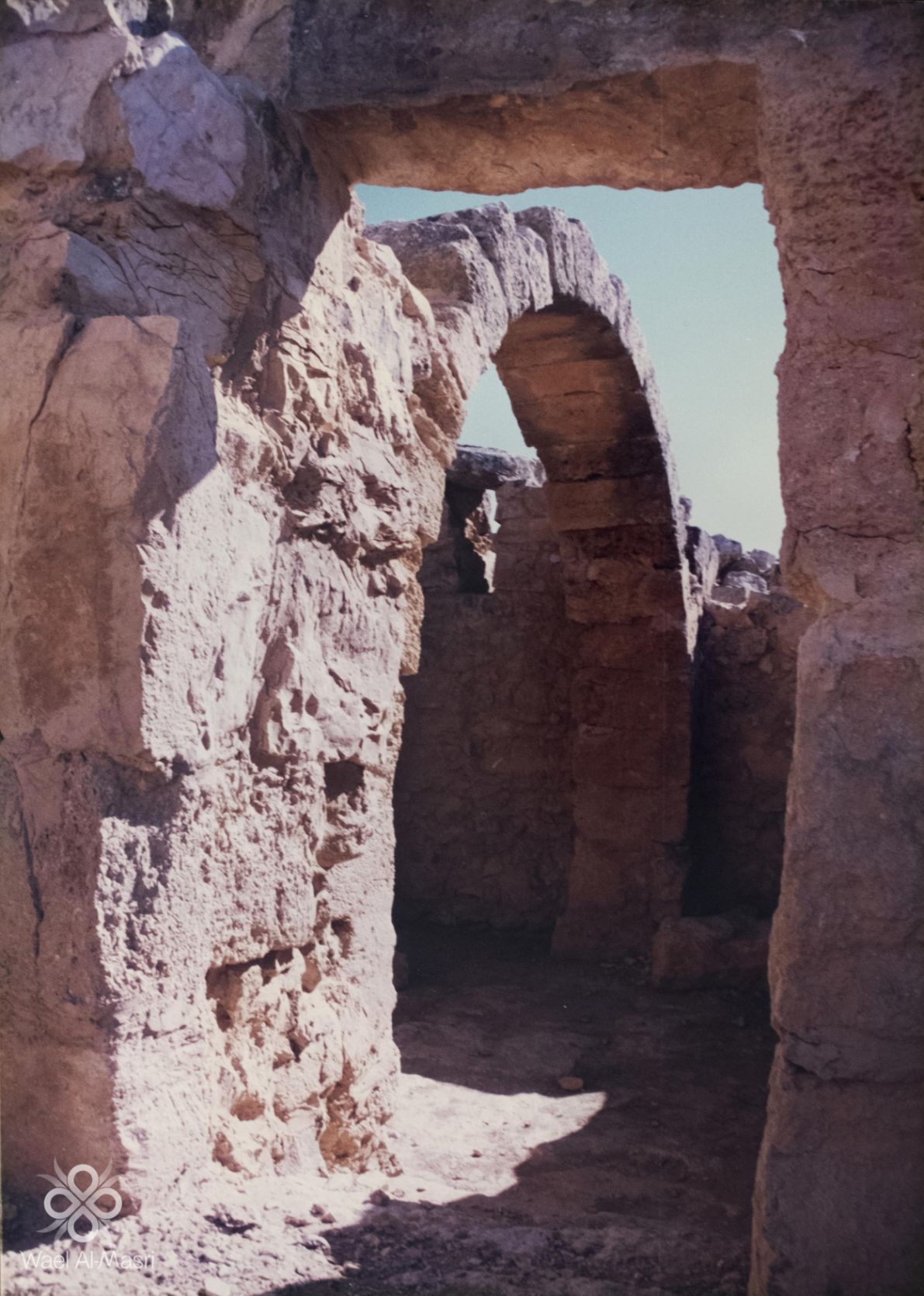
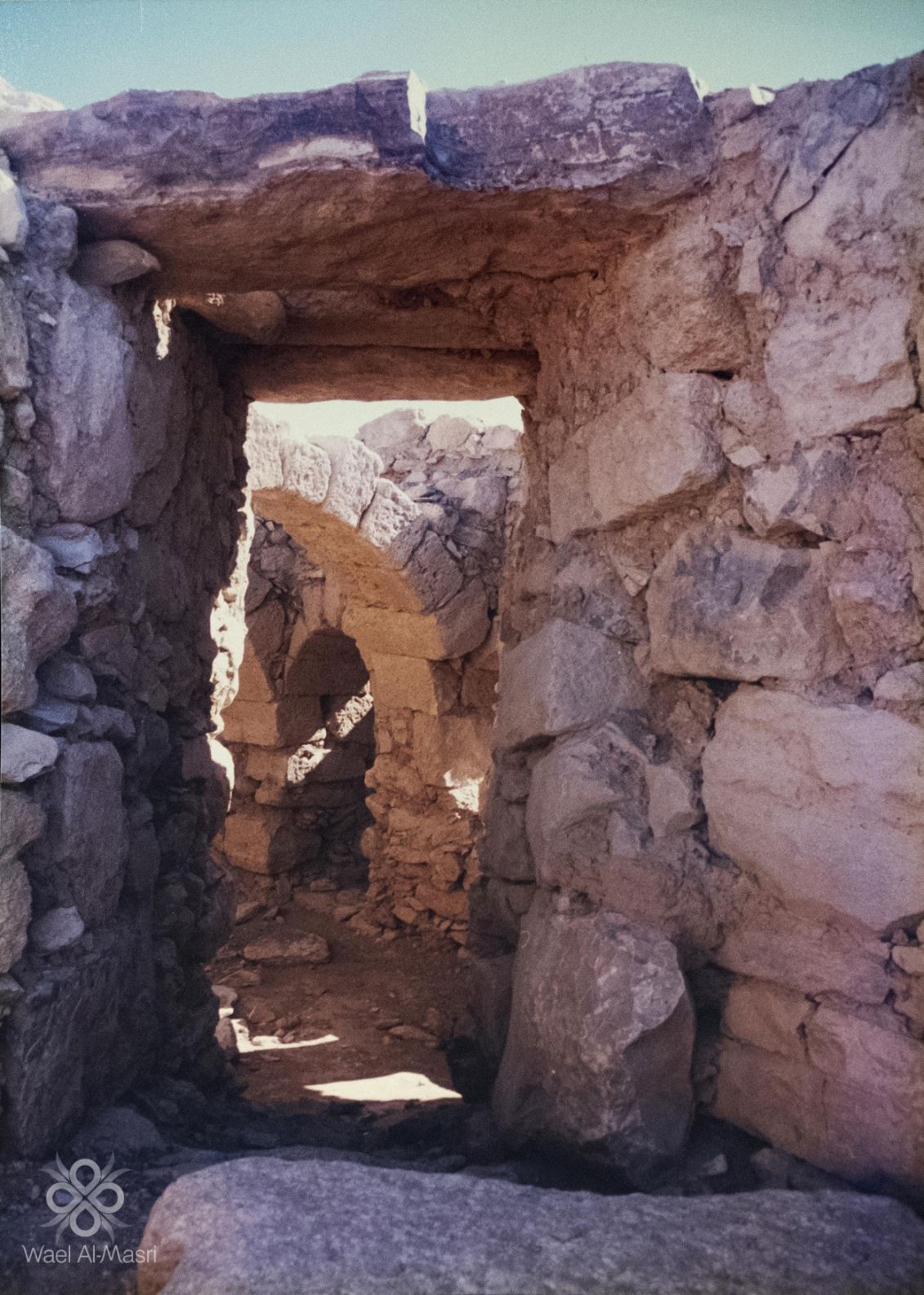
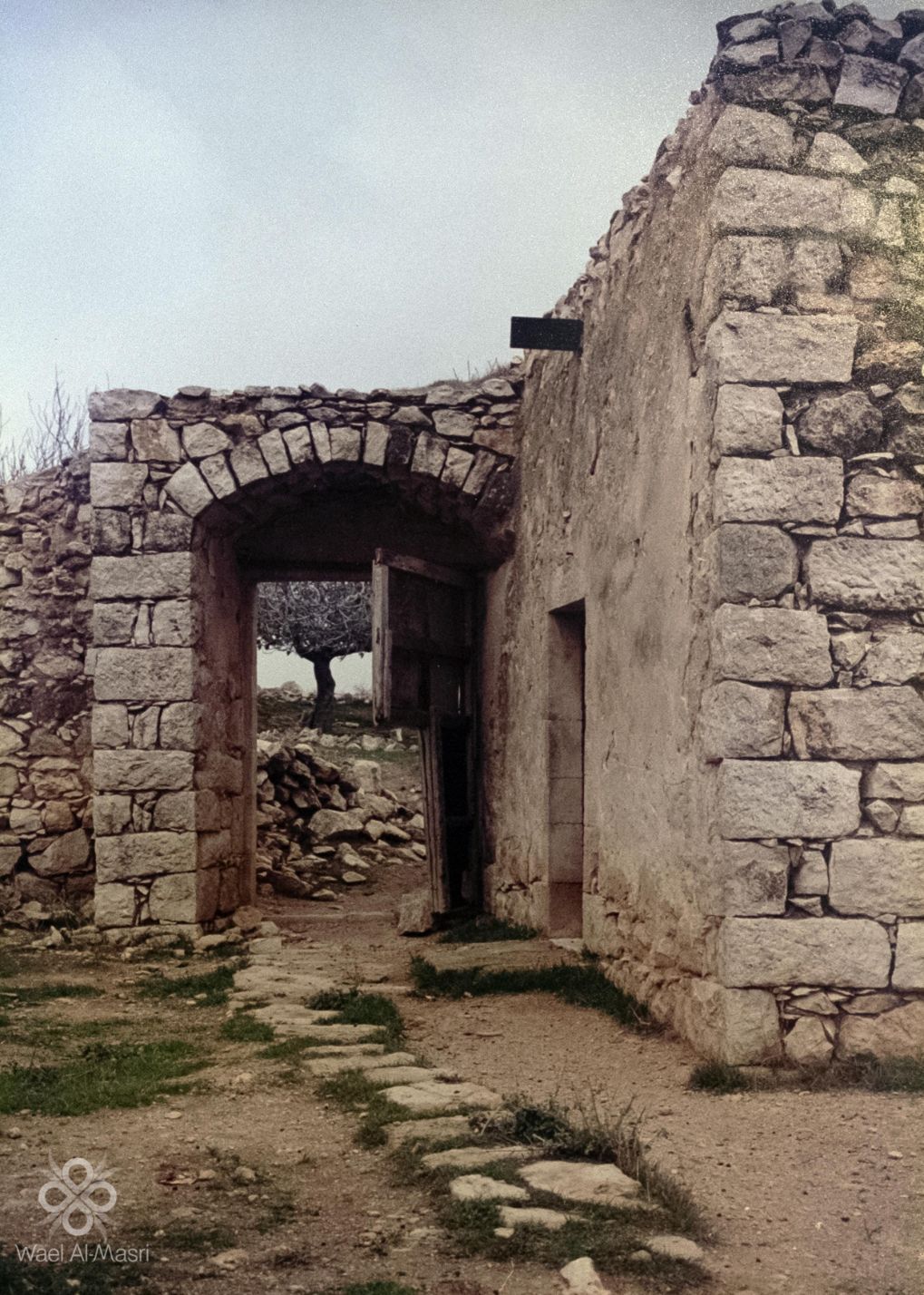
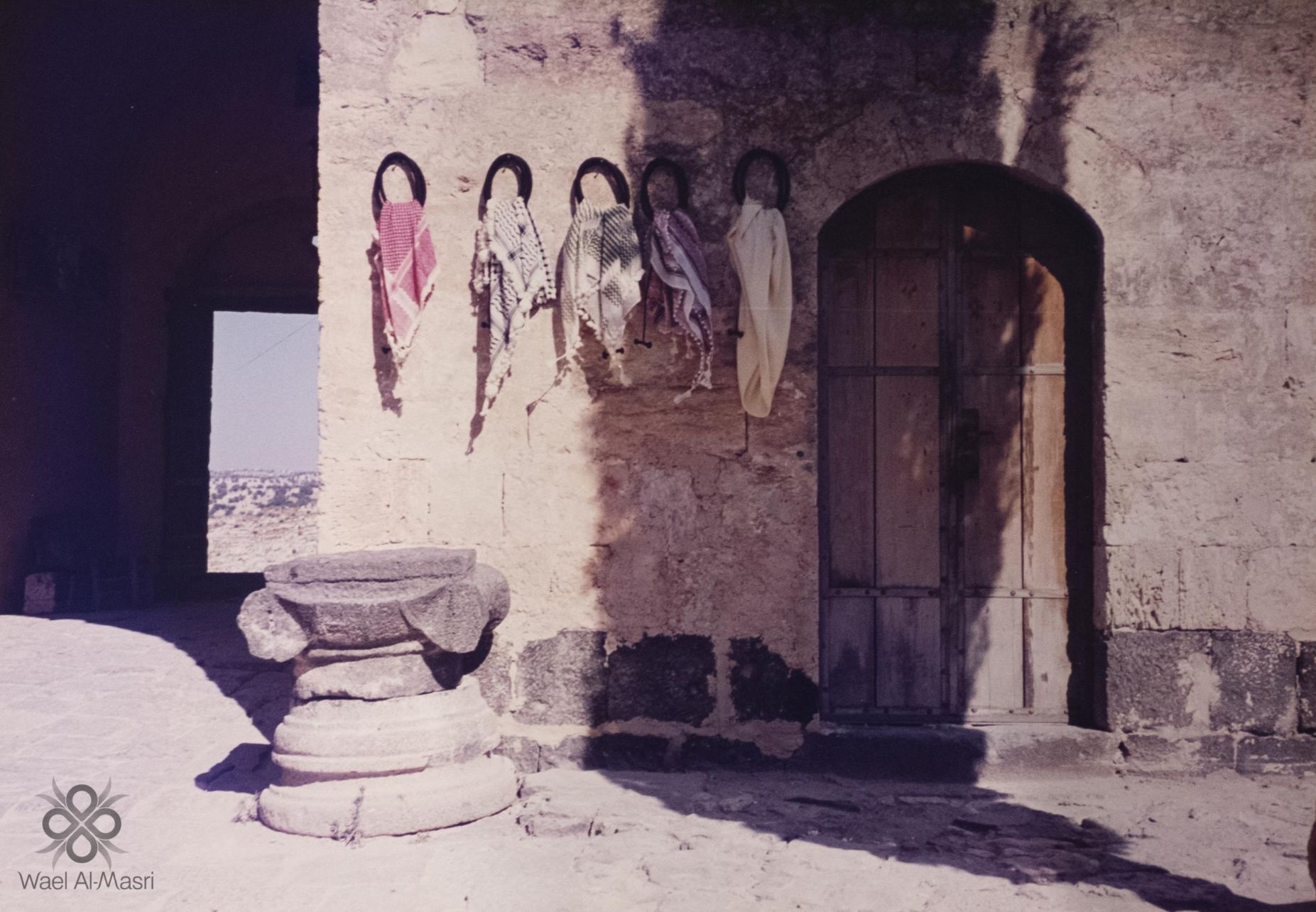
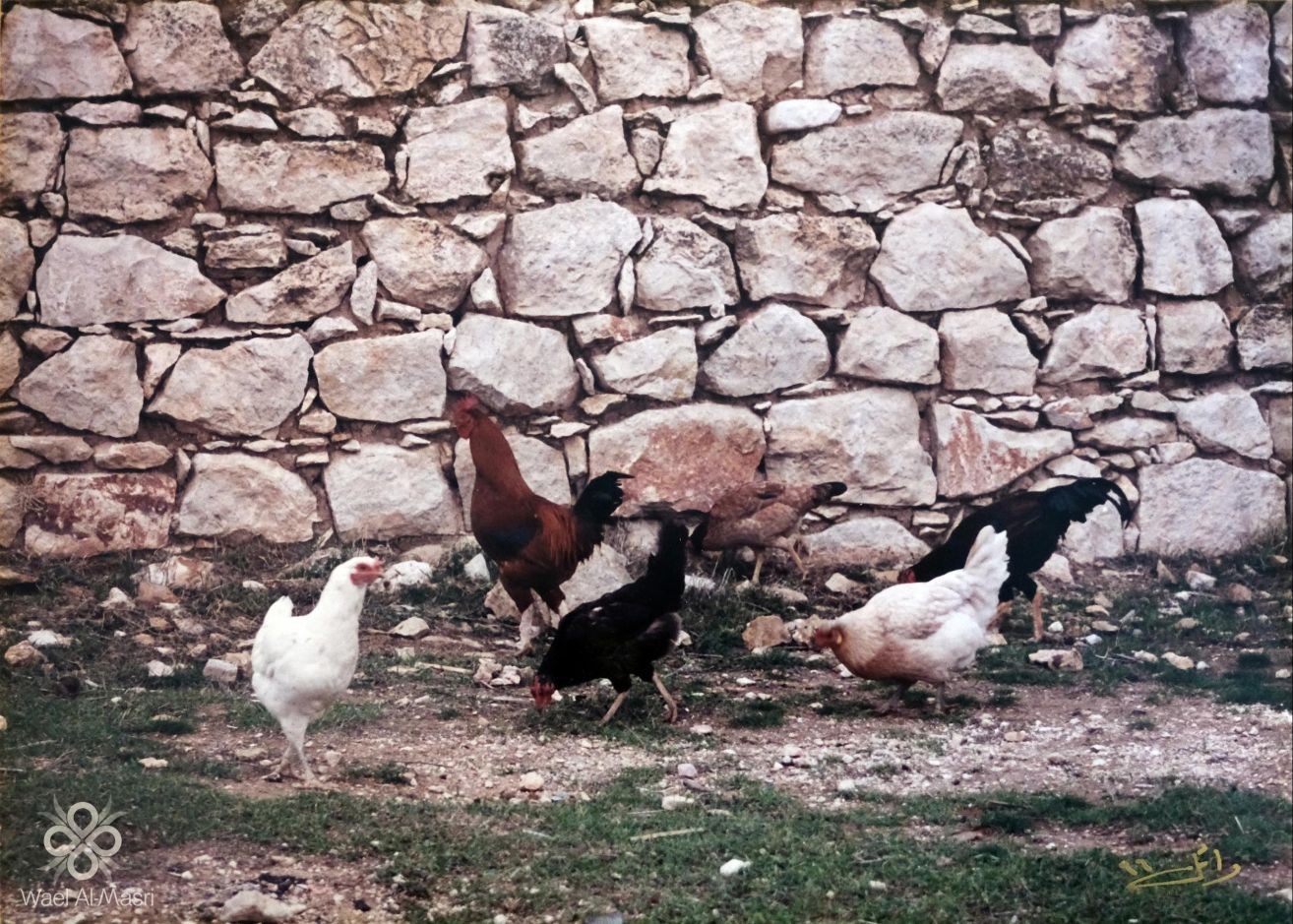
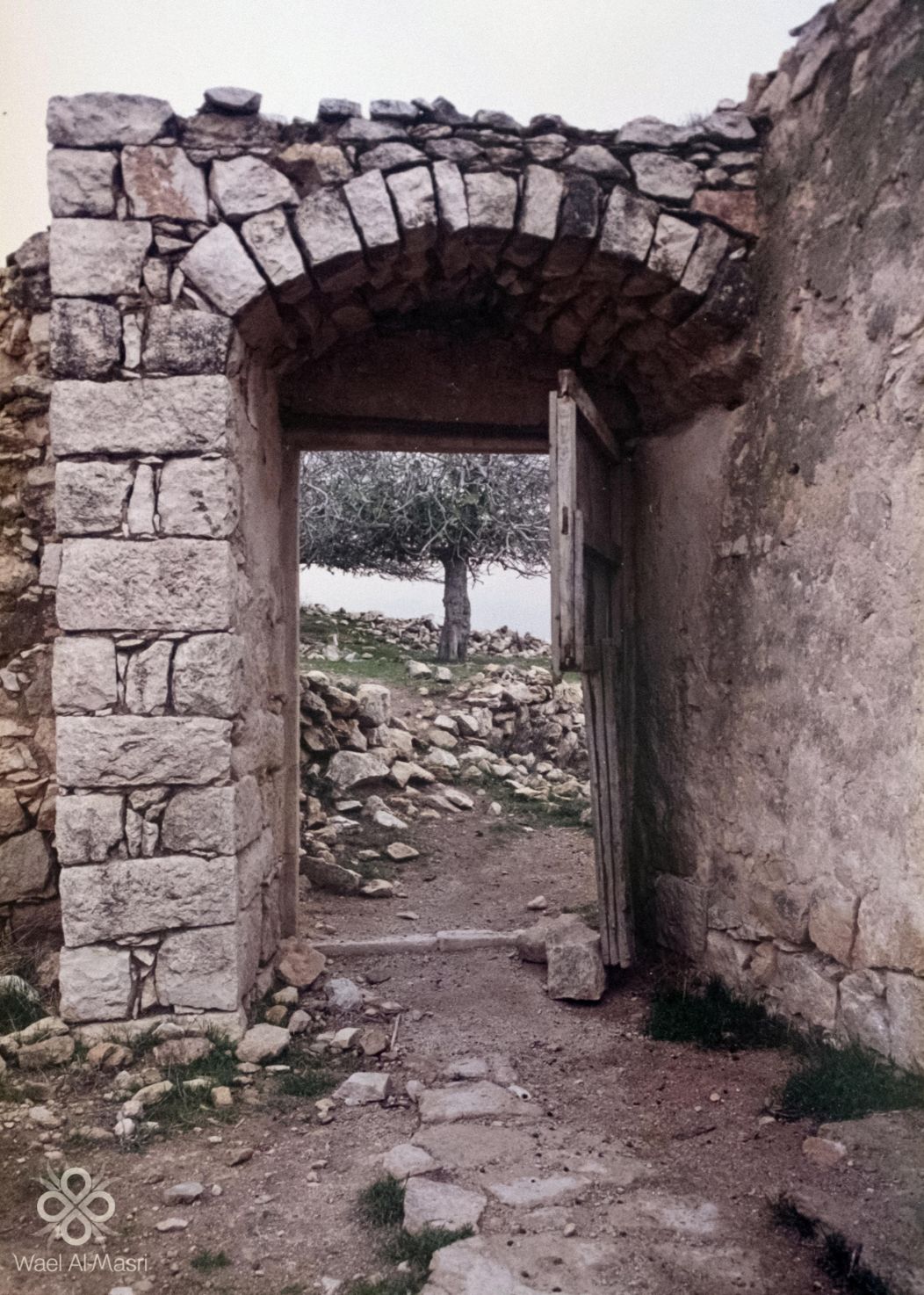
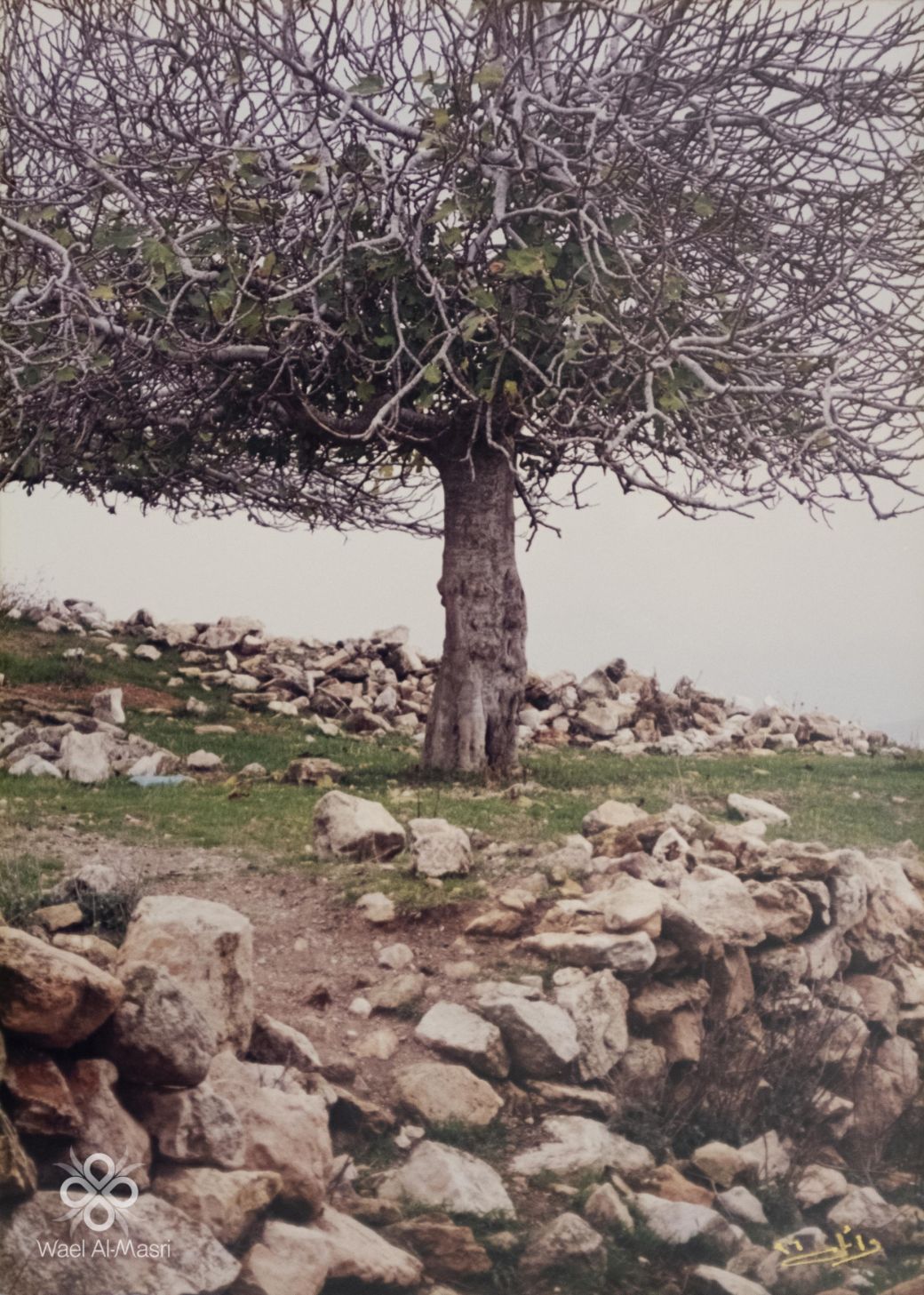
Over the past year, I served as Architect/Administrator of Jordan Sustainable Tourism Development - JSTD/Sites at the Ministry of Tourism and Antiquities. Through my work at the Ministry, I became increasingly aware of the variety and richness of Jordan’s architectural heritage. This exhibition of photographs is the result of the numerous site visits and field trips which I conducted during 1996.
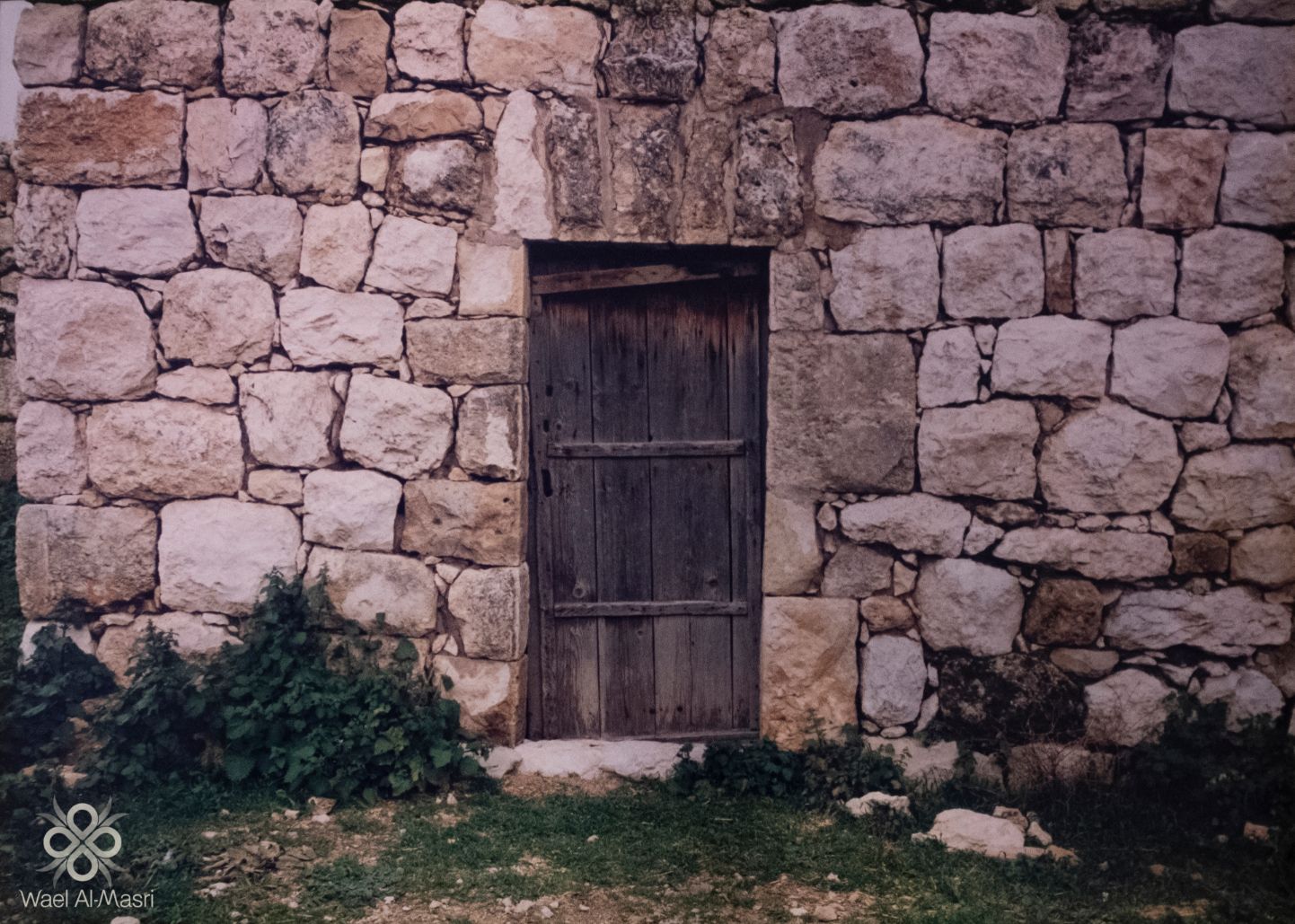
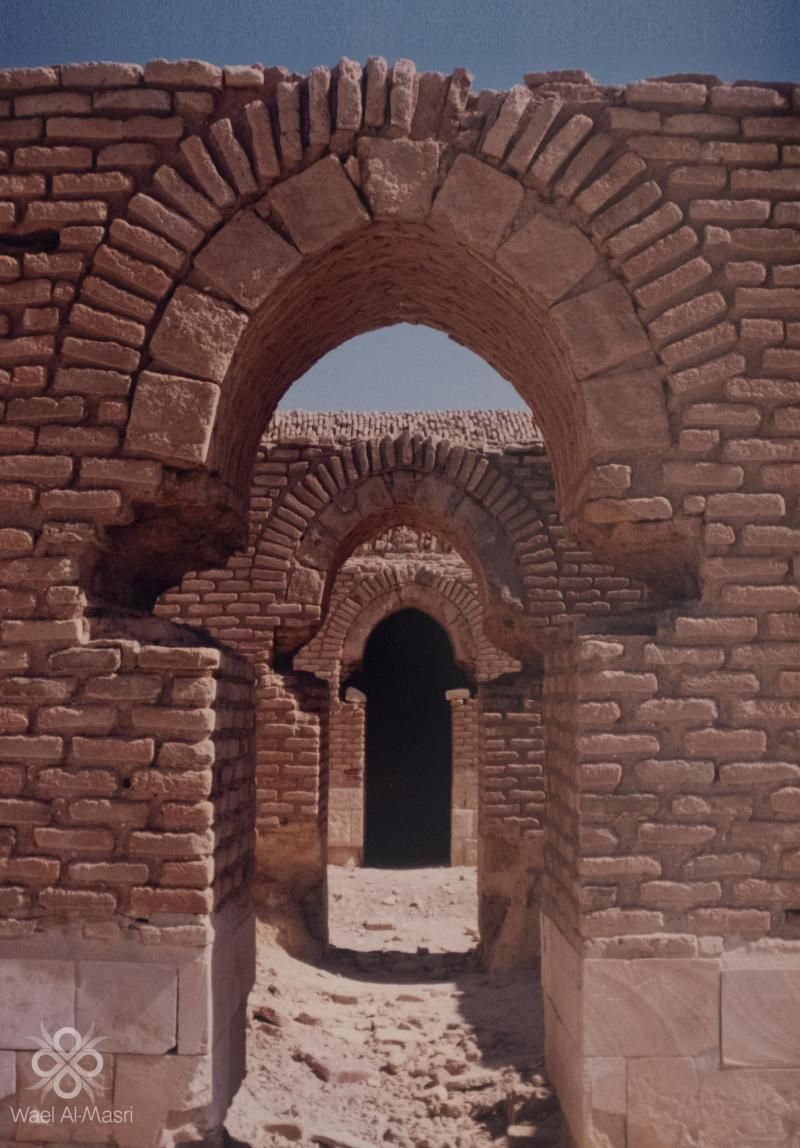
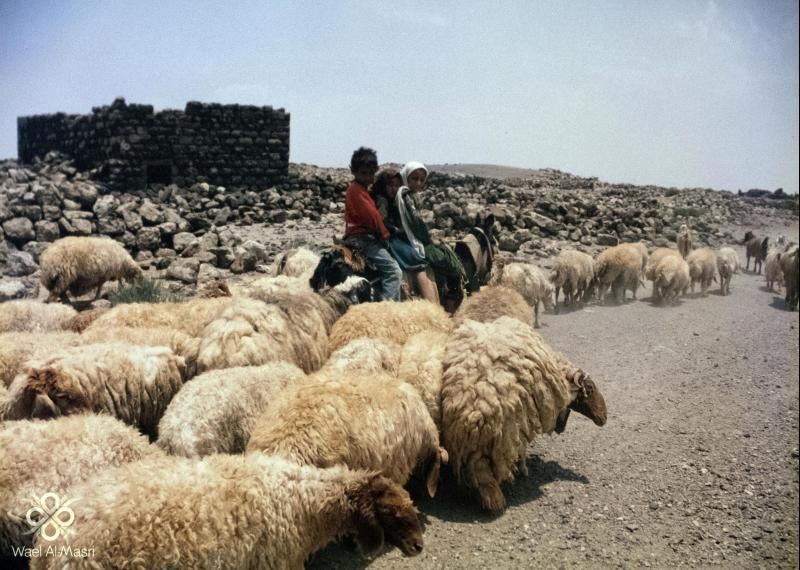
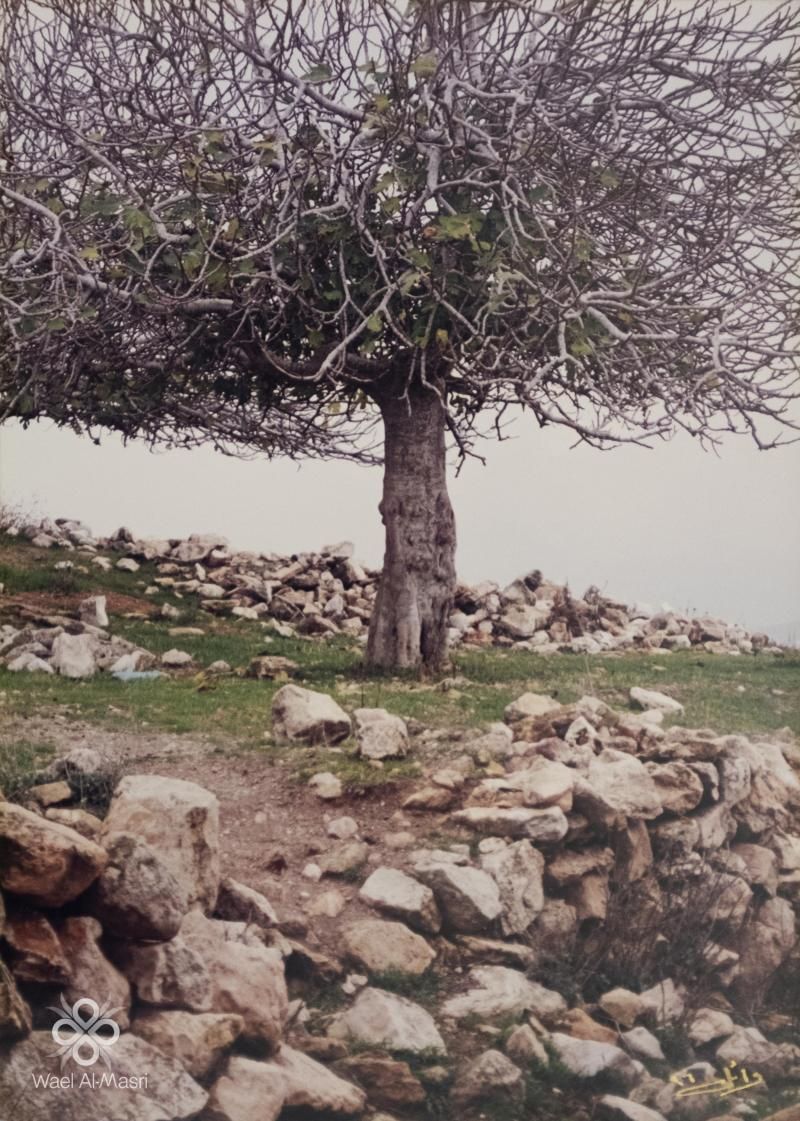
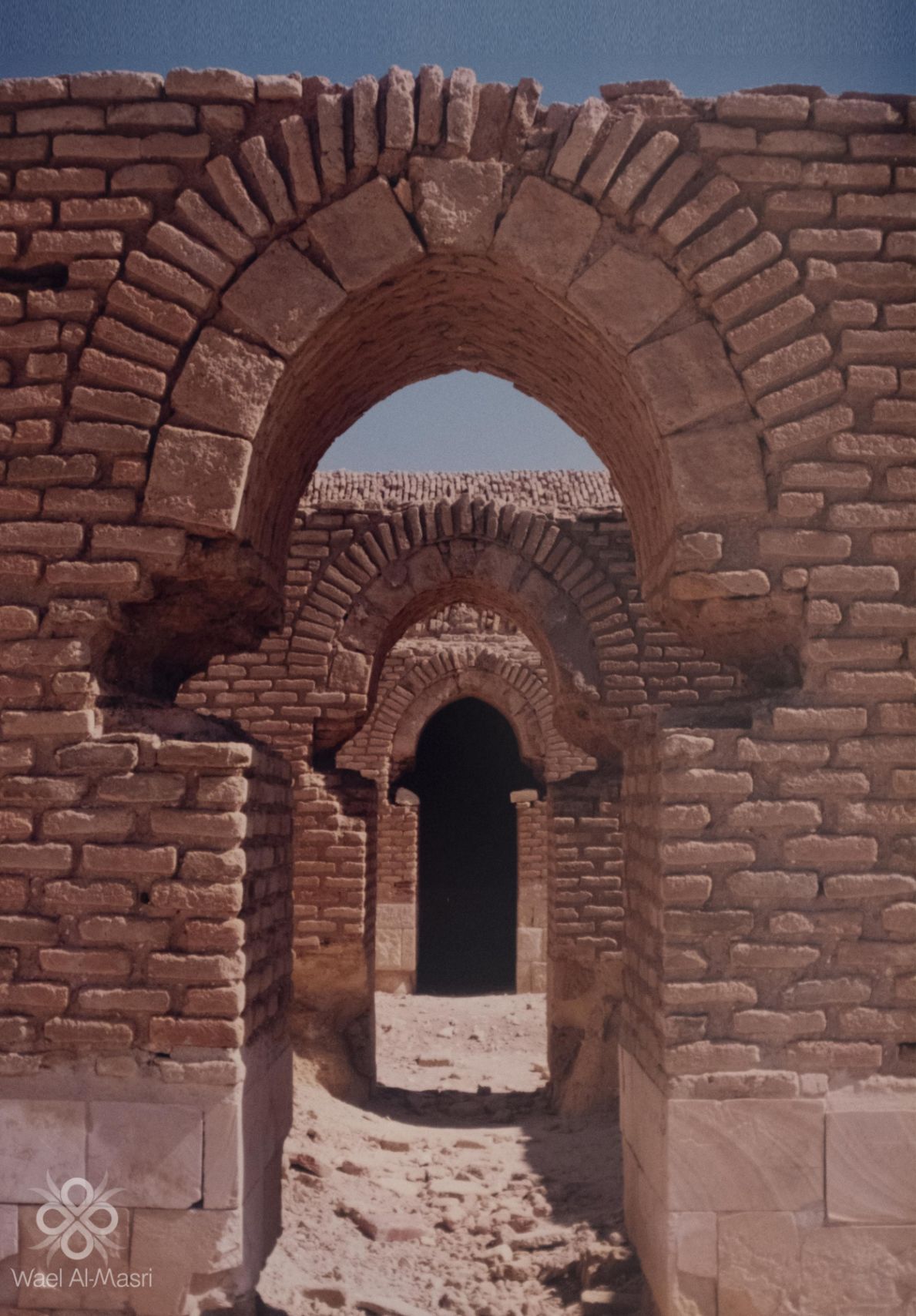
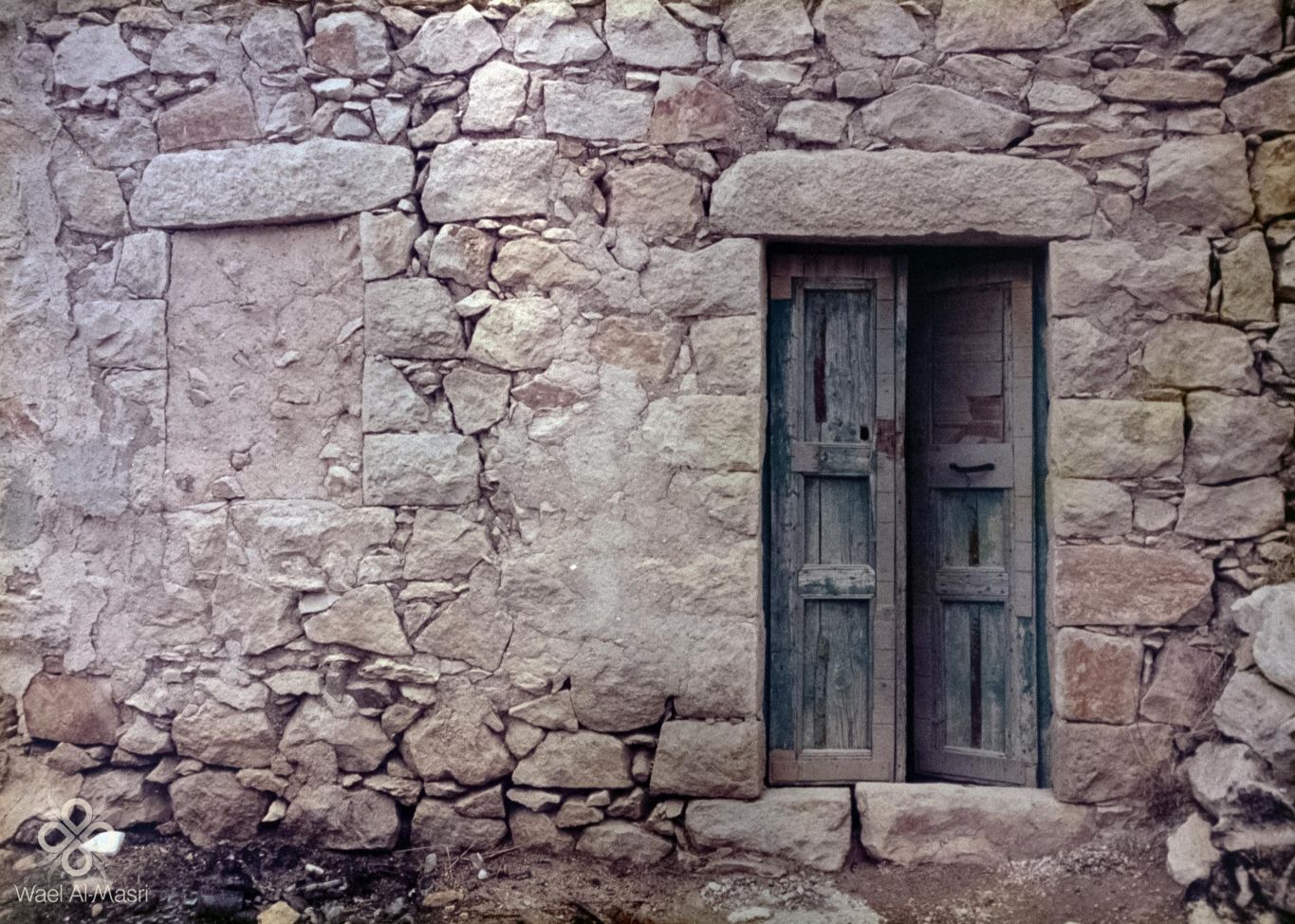
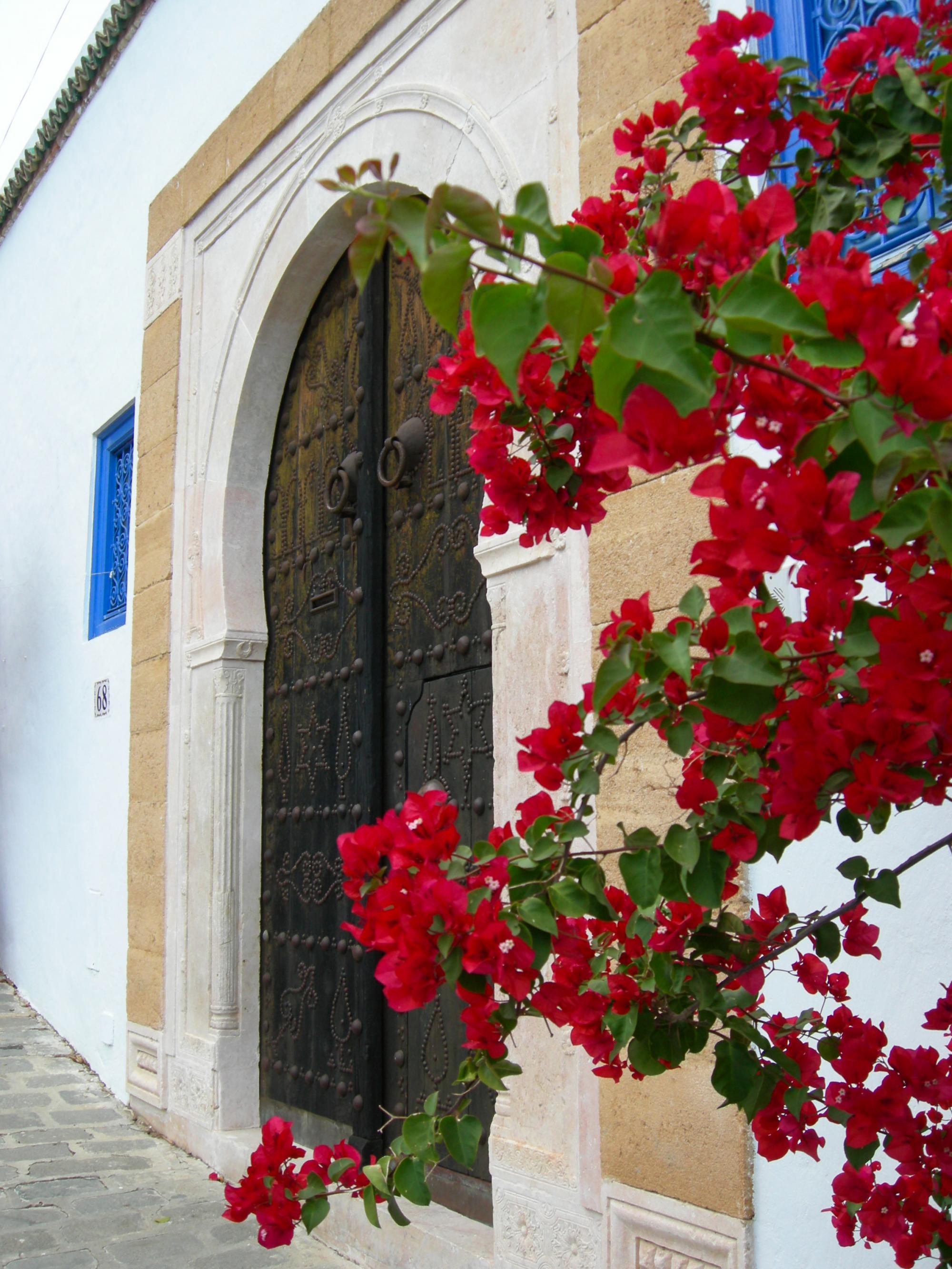
As a Jordanian architect, born, raised and studied architecture abroad, but who is now living in Amman, I have been overwhelmed by the qualities of traditional architecture in Jordan, particularly the vernacular buildings scattered around the countryside. There is a striking level of minimalism, humbleness, honesty and dignity in traditional village buildings coupled with a delightful level of artistic and construction ingenuity. These qualities have appealed to my modem design sensibilities in a present world of over-indulgence with pastiche and whimsical redundancy.
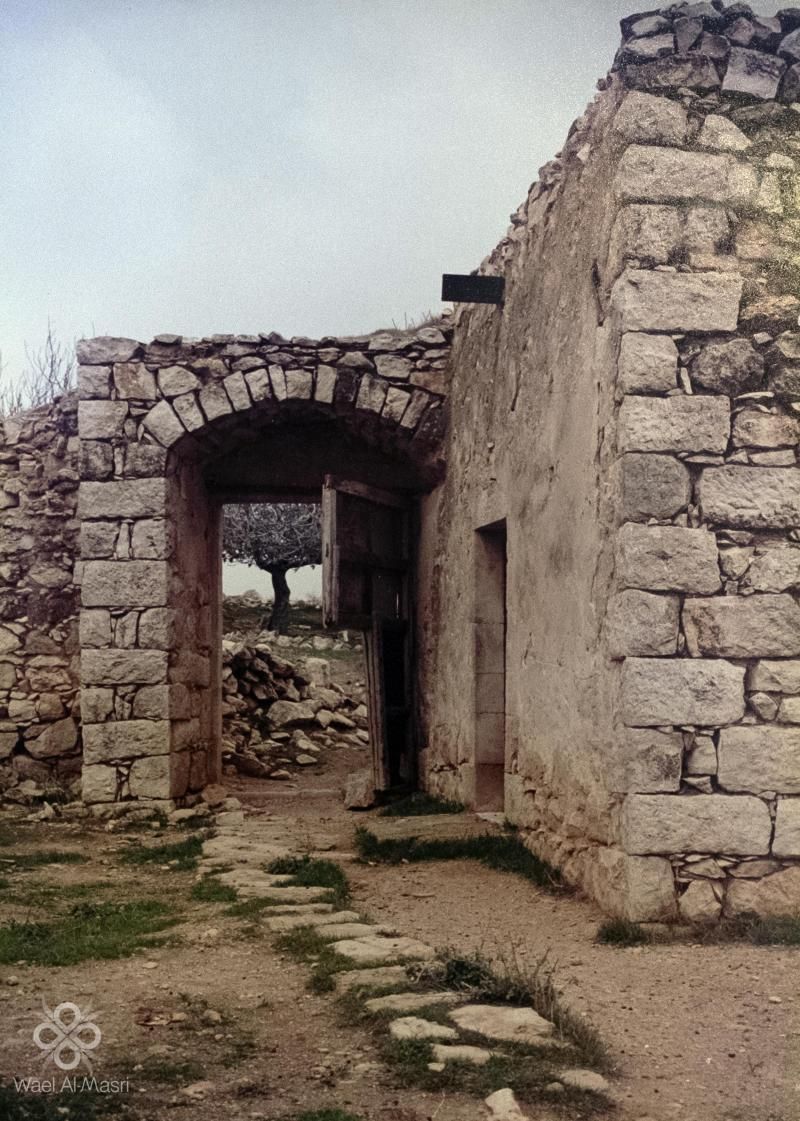
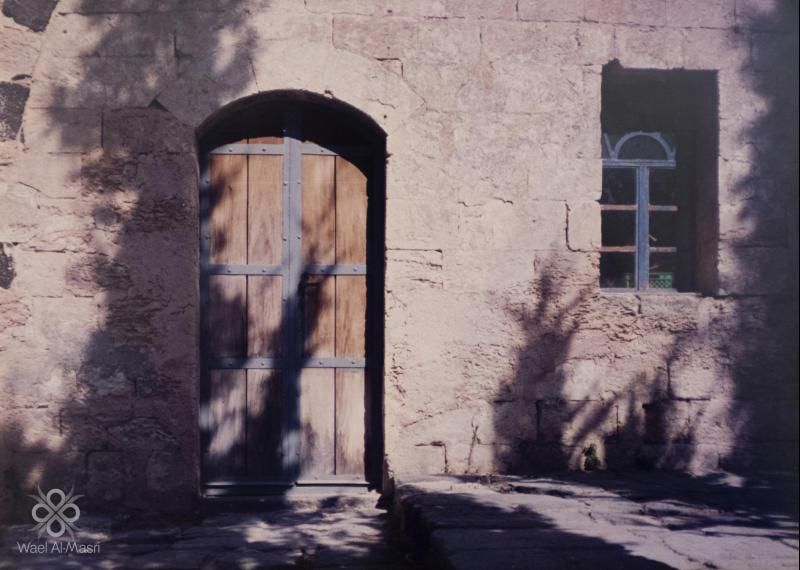
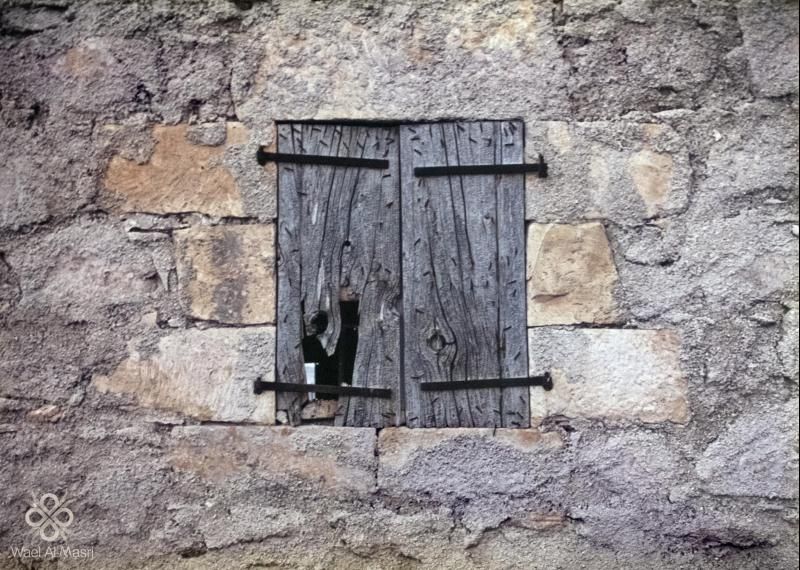
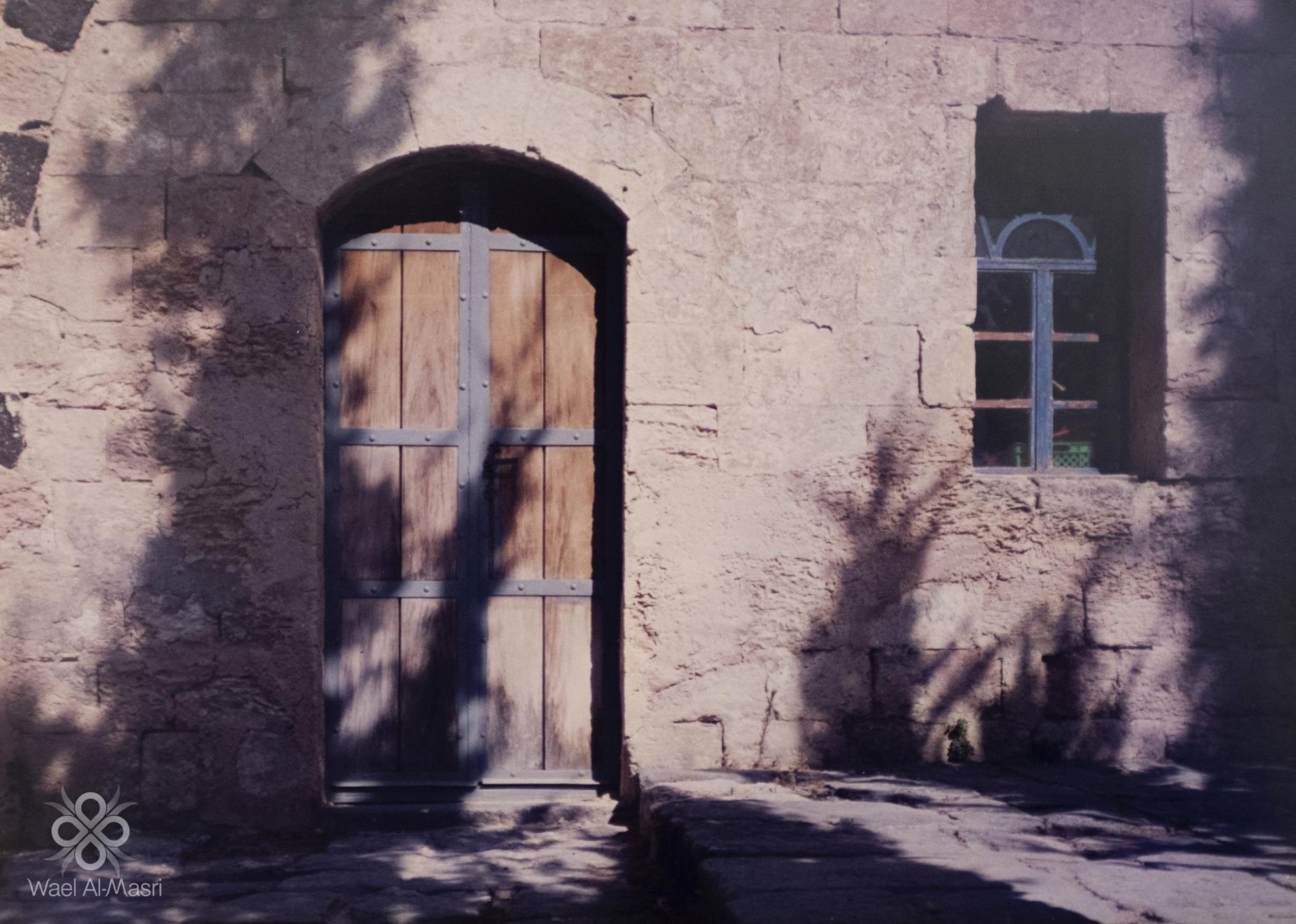
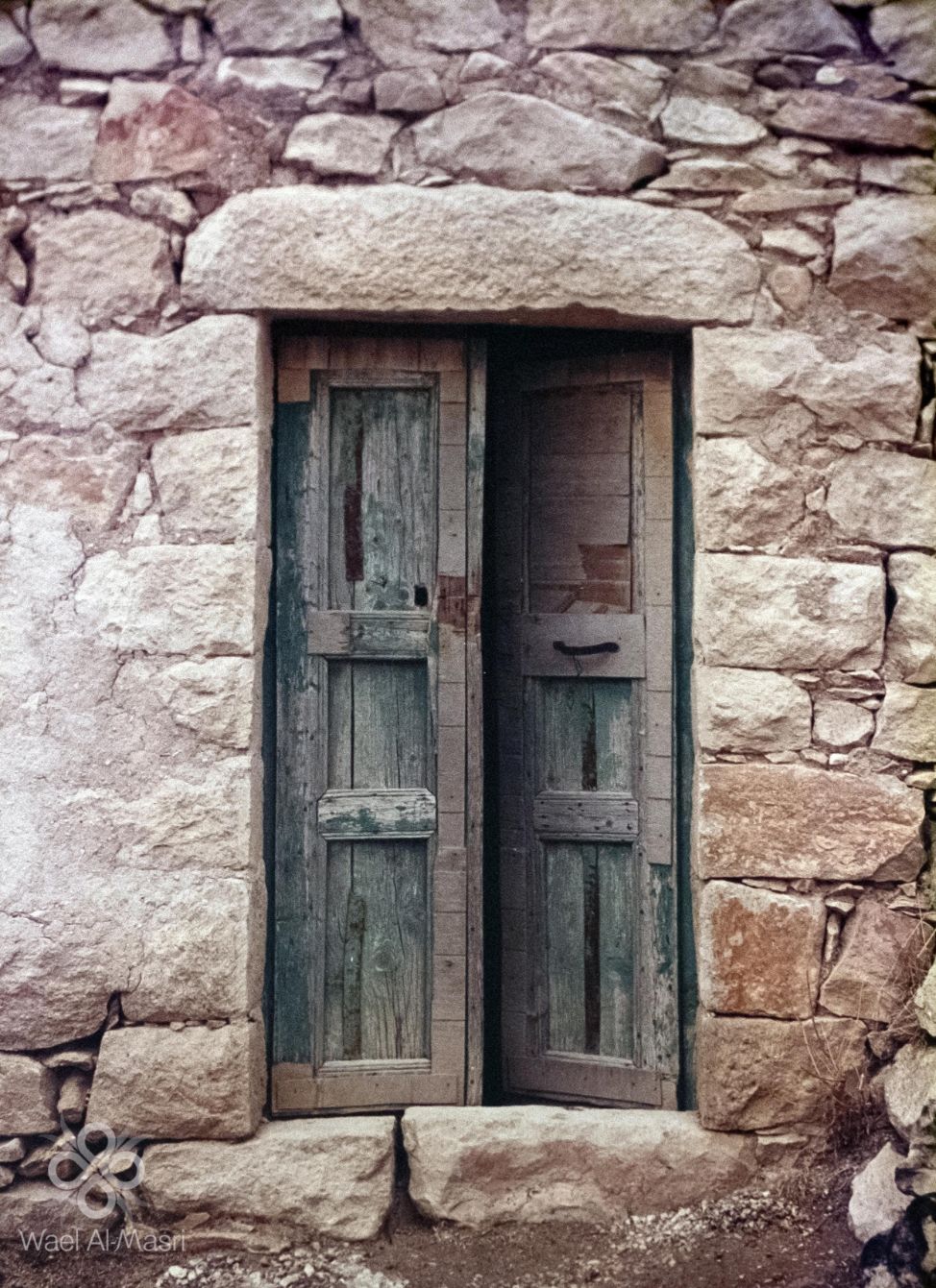
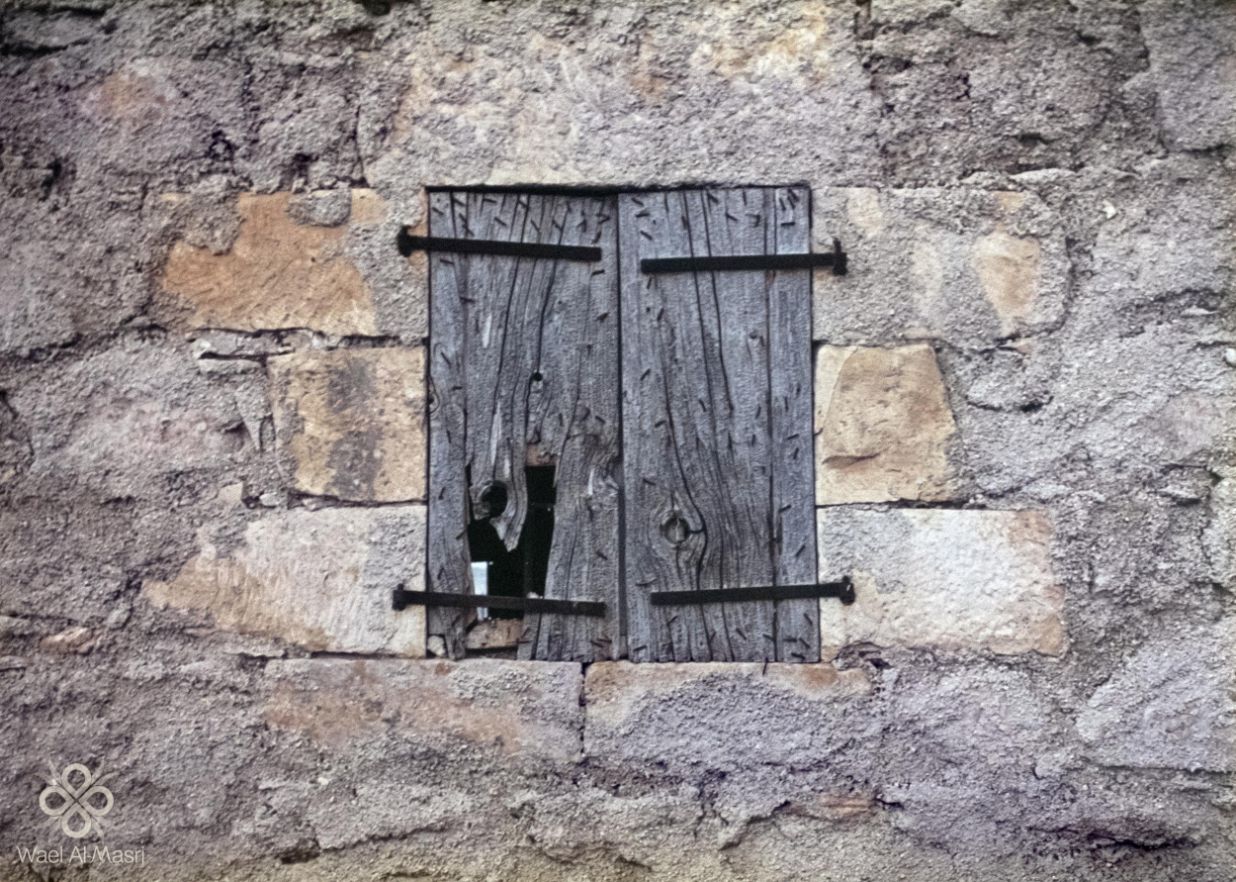
My feelings towards this architecture are those of detachment as much as identity. The images presented in this exhibition may seem to reflect impressions by an outsider or perhaps a tourist. Because villagers inhabit their vernacular context, they sometimes take it for granted, while outsiders, whether city dwellers or tourists, pay much more attention to it. I was stopped by a man of Samad as I was taking a photograph of a small, old wooden window in that deserted northern village. He asked me in English: “why do you find this window interesting?” Obviously it didn’t occur to him that I am a fellow countryman. I believe that such images attract those of us who are troubled by the fast changing cityscape, and seek permanence and stability in sites far removed from the pressures of modem life.
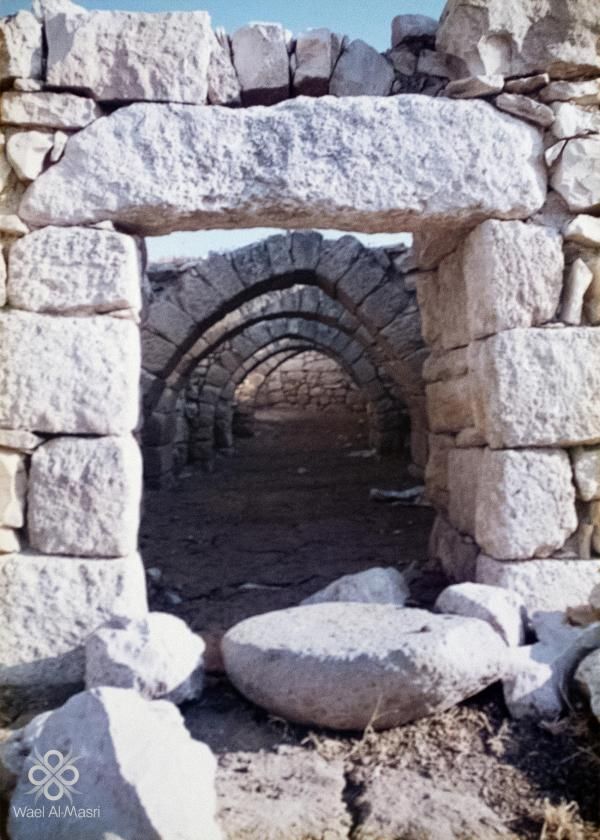
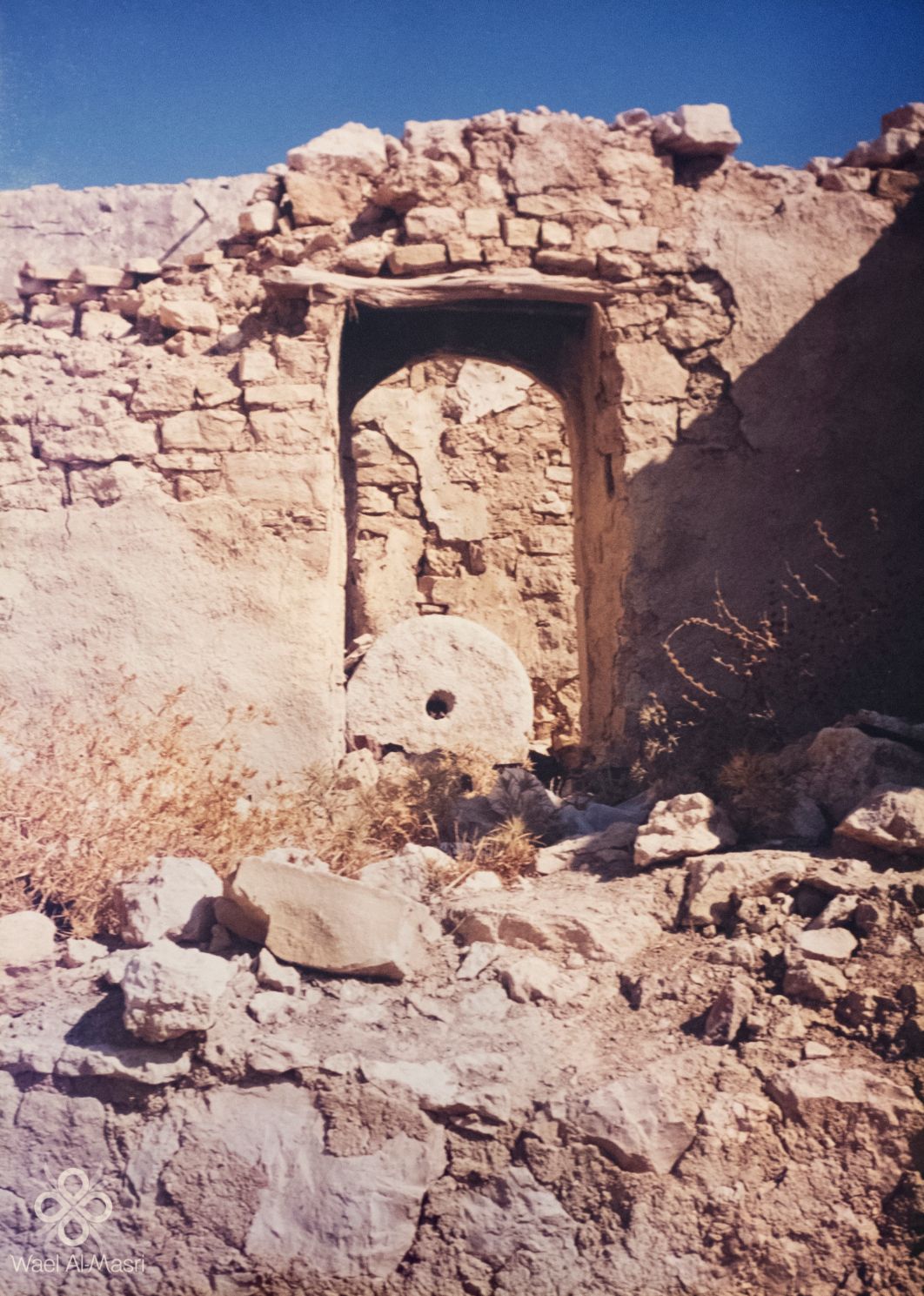
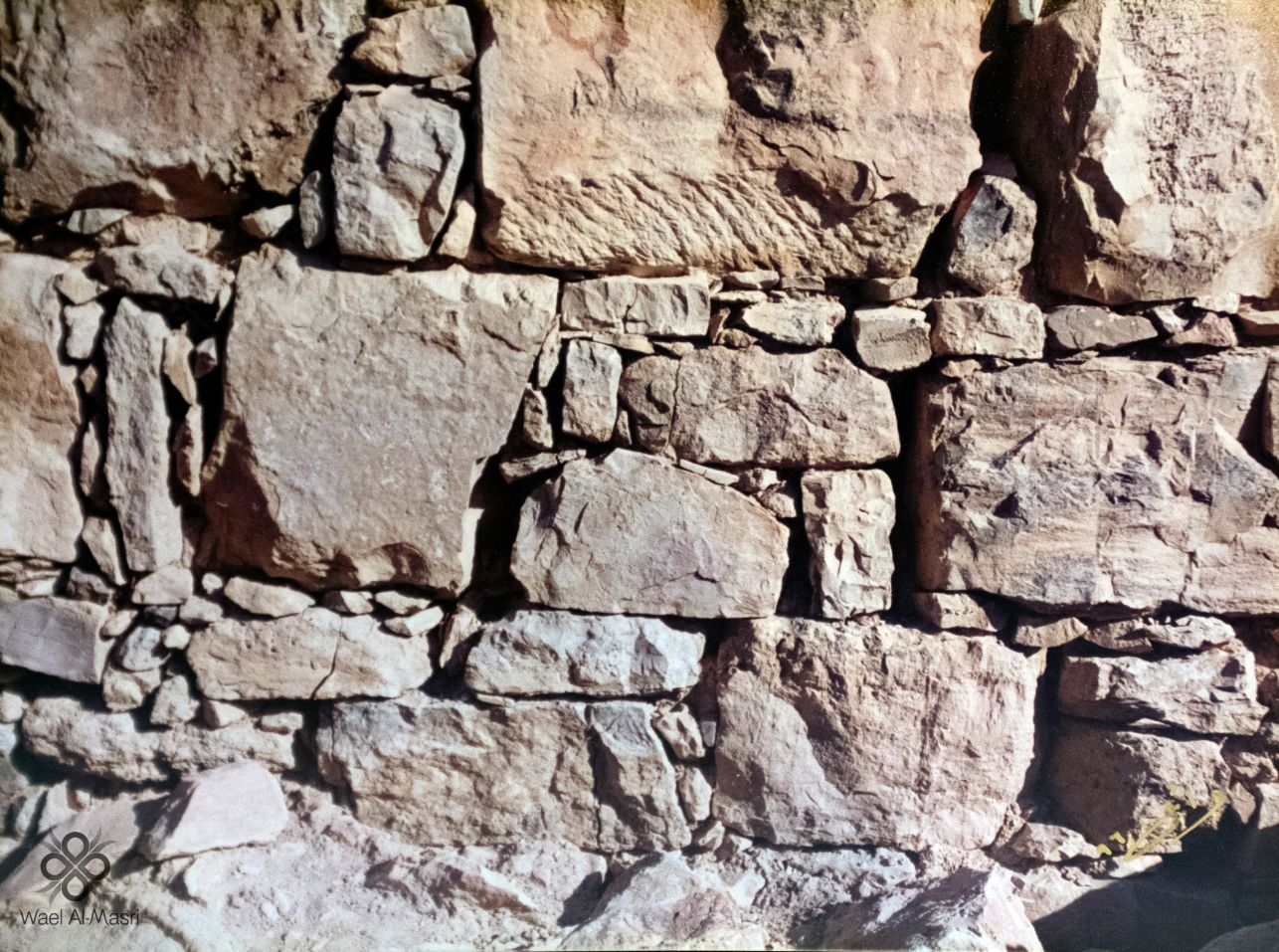
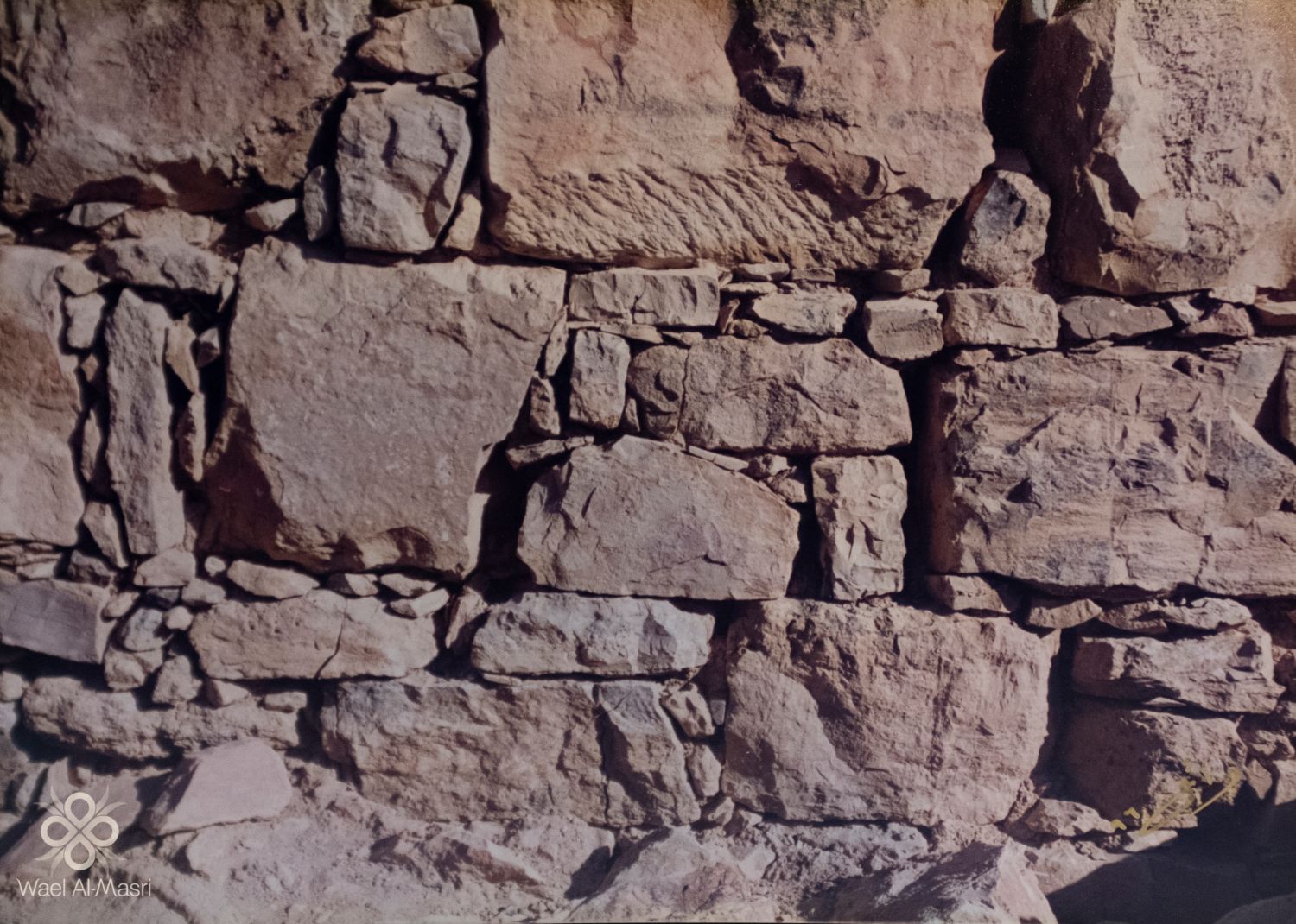
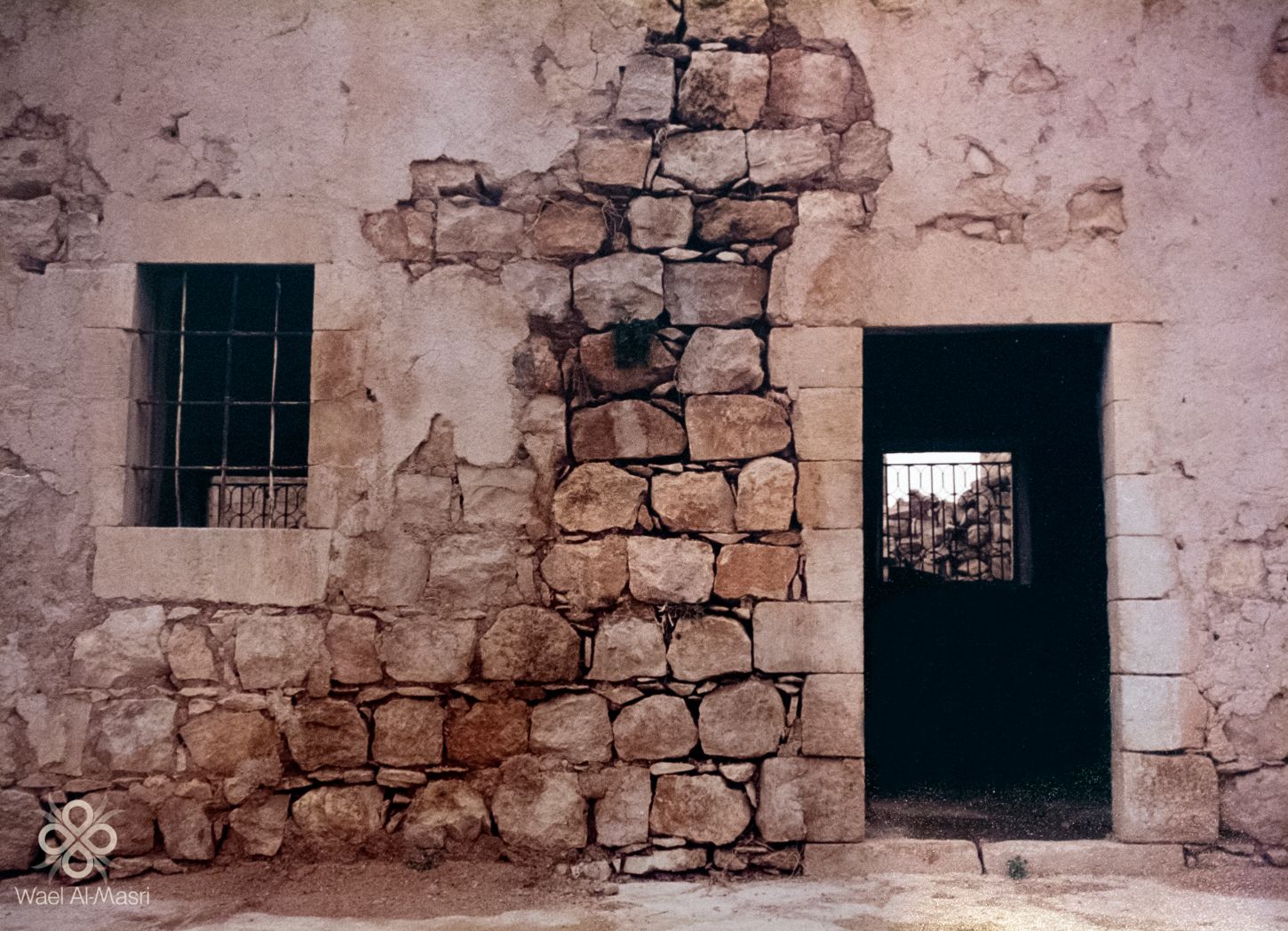
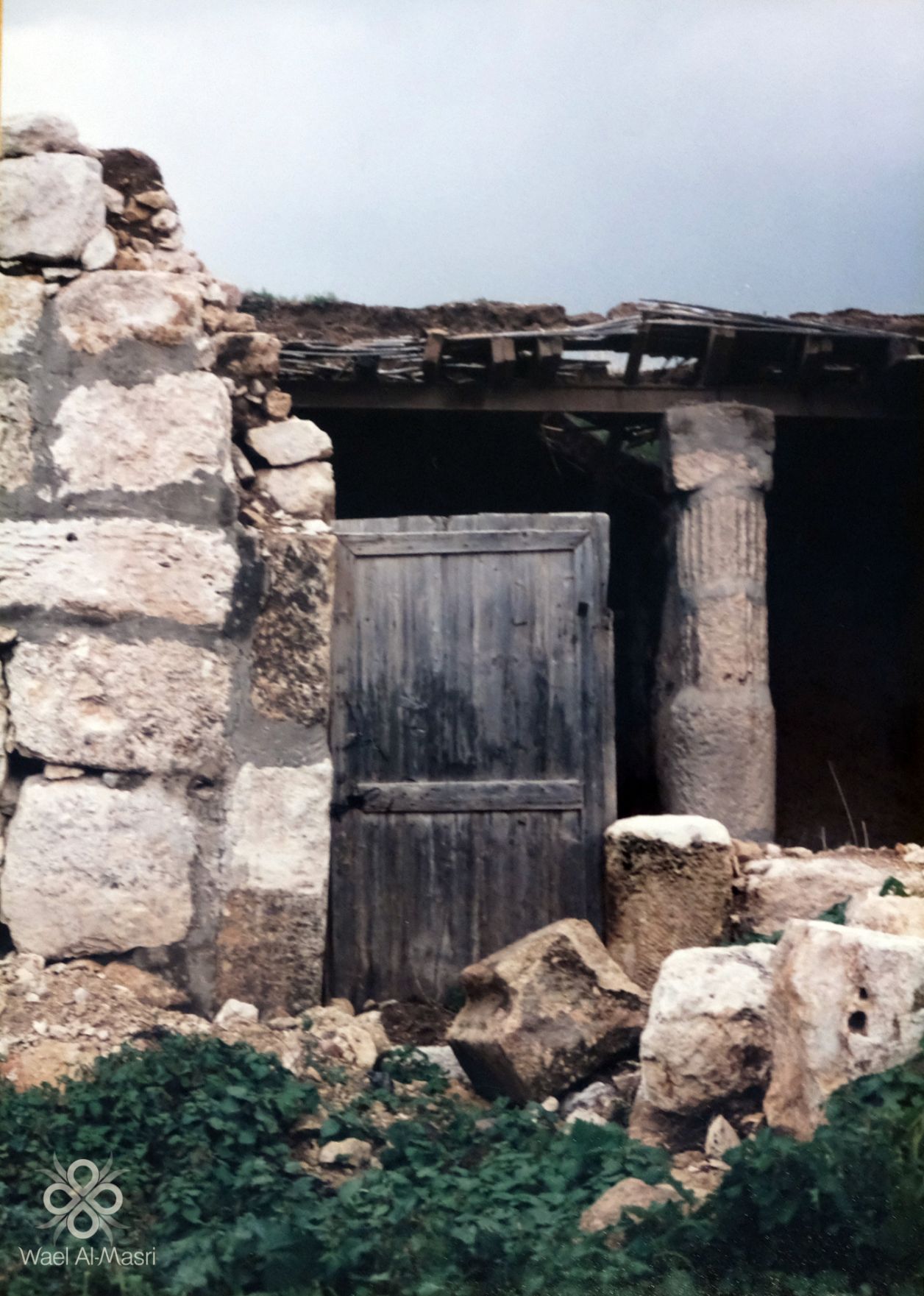
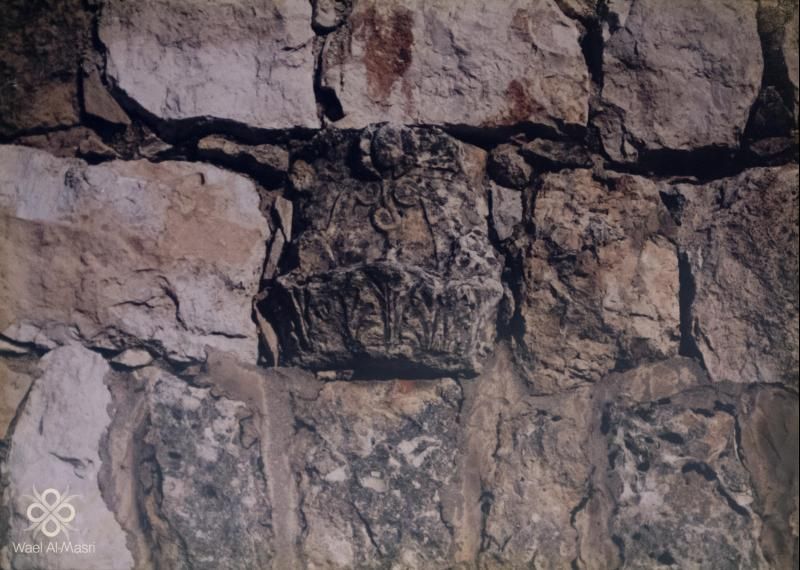
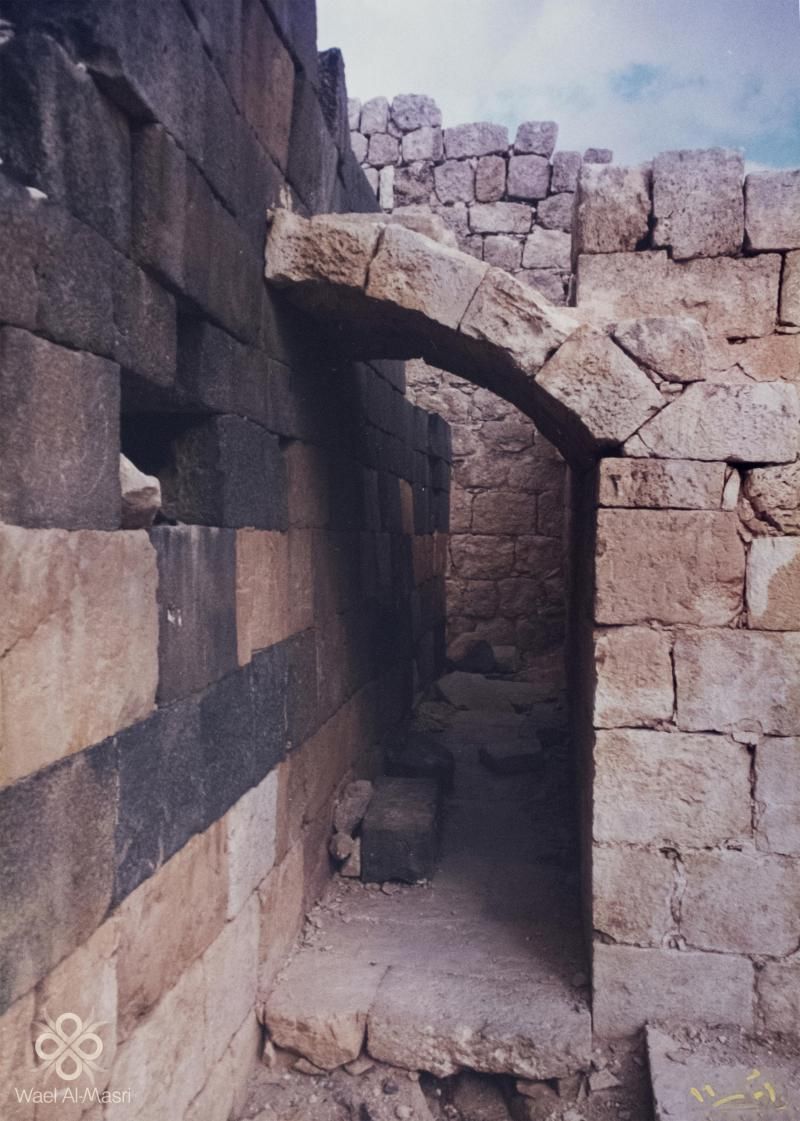
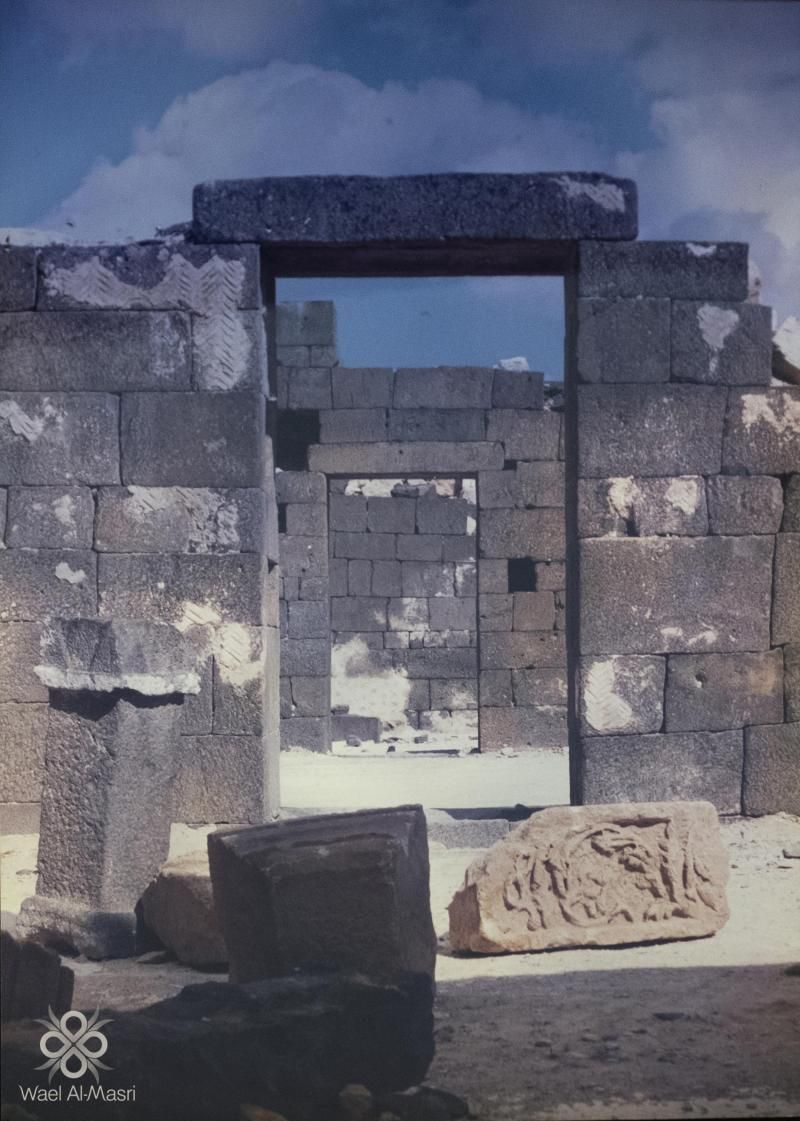
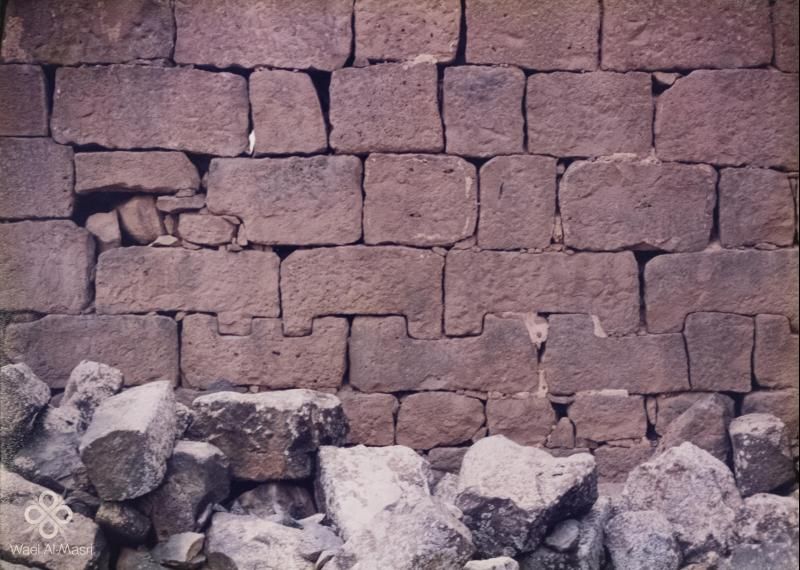
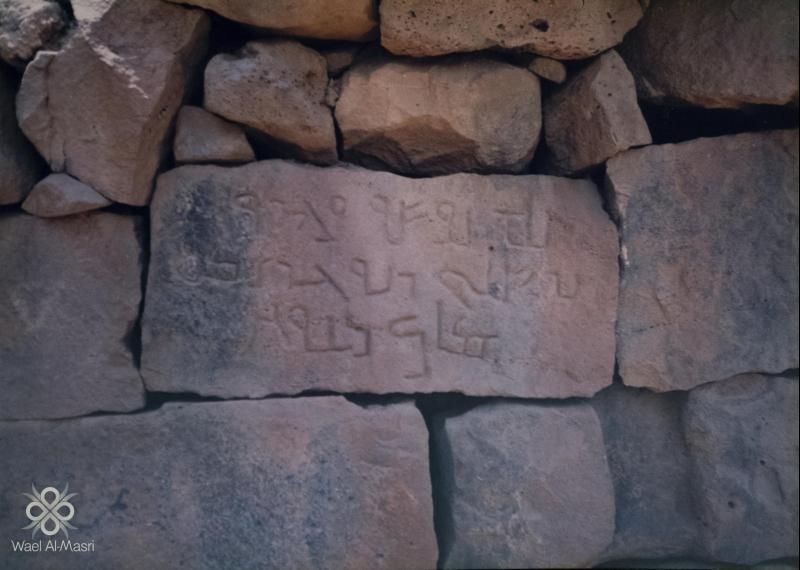
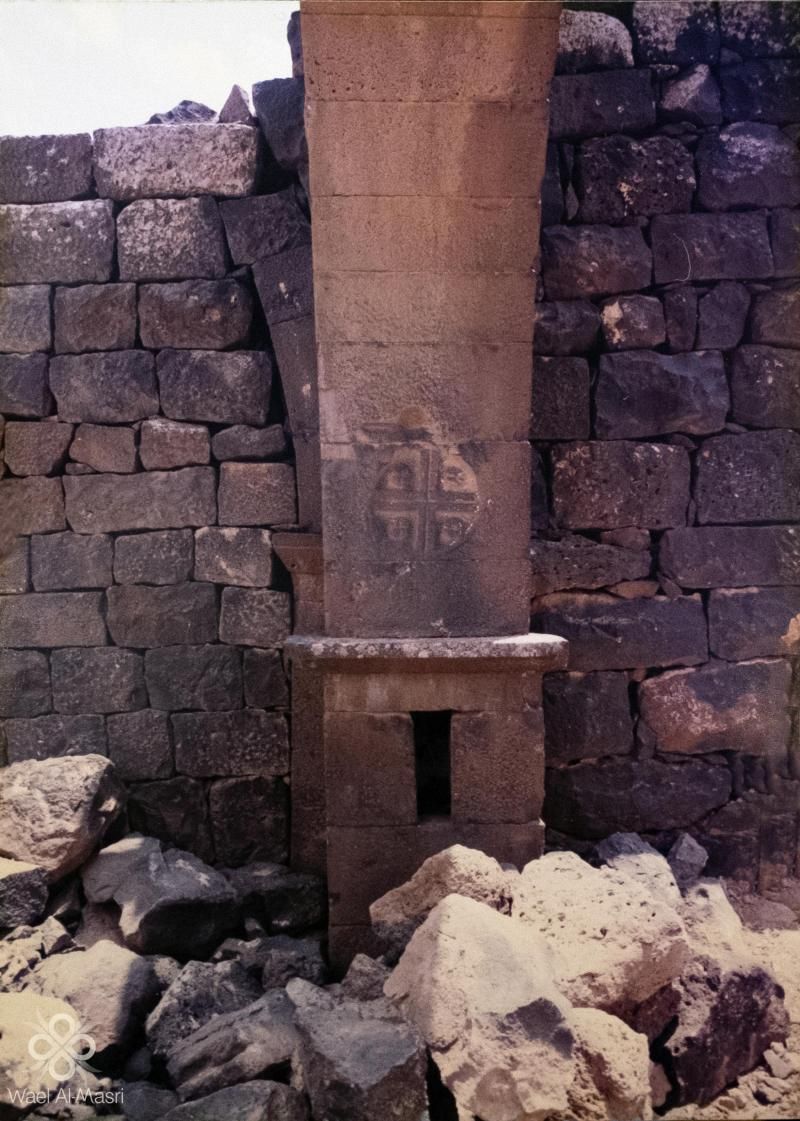
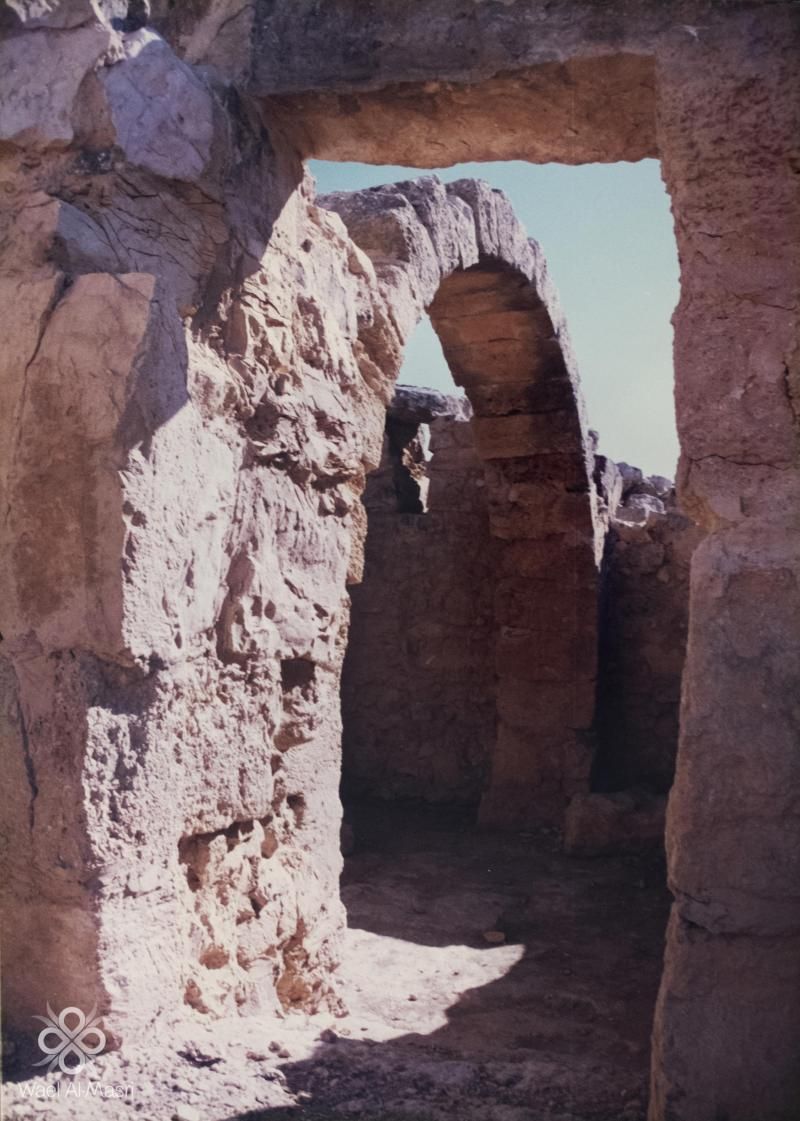
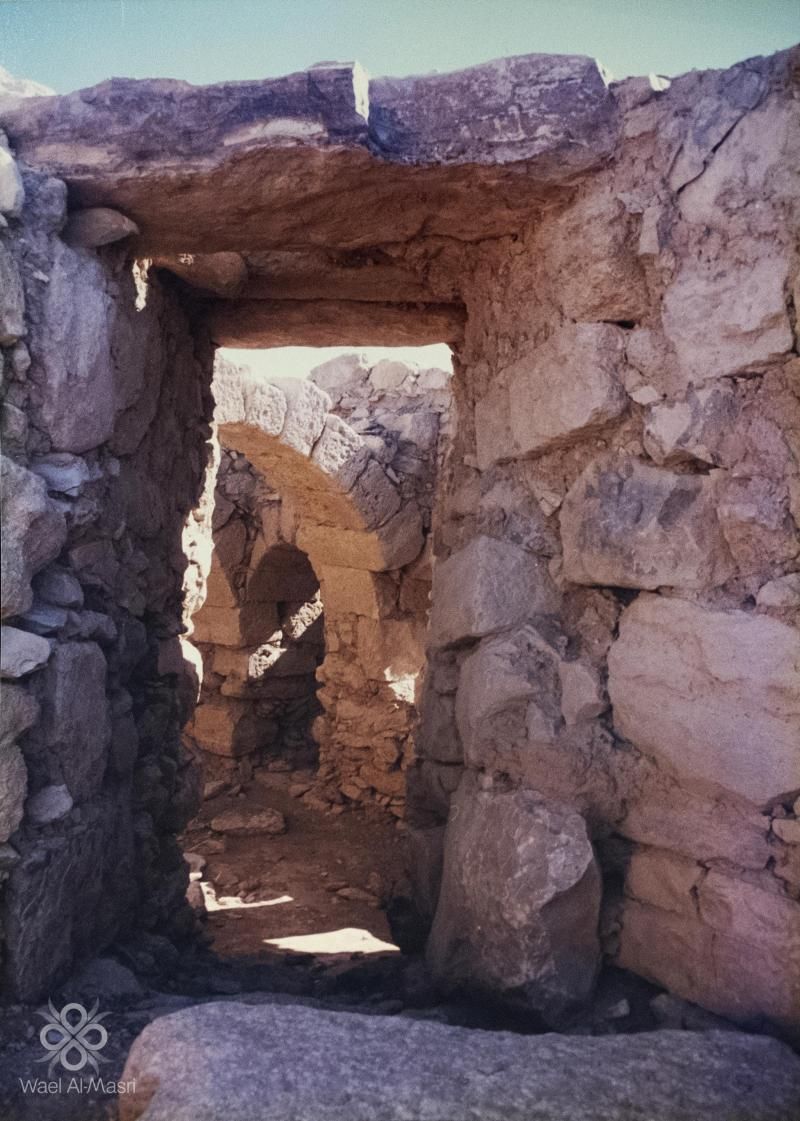
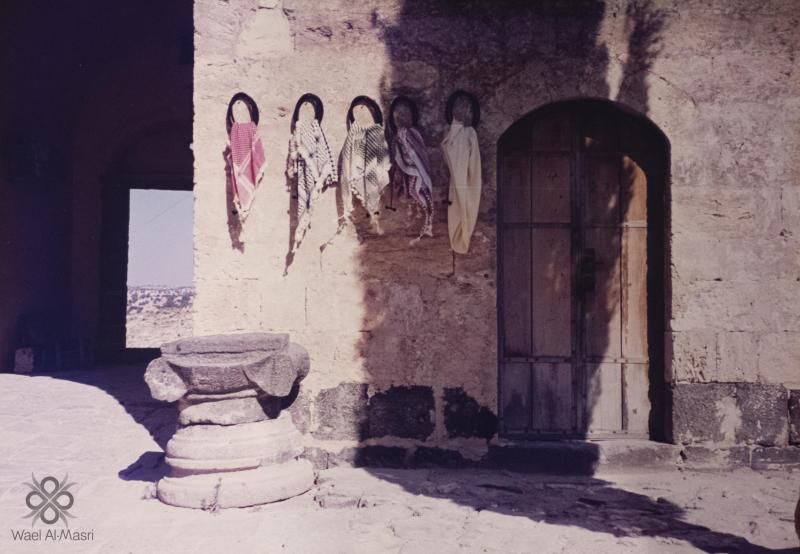
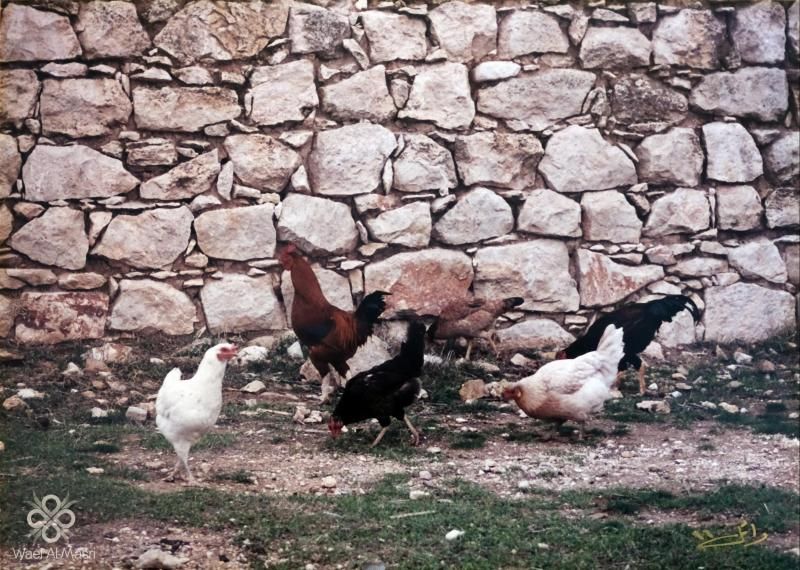
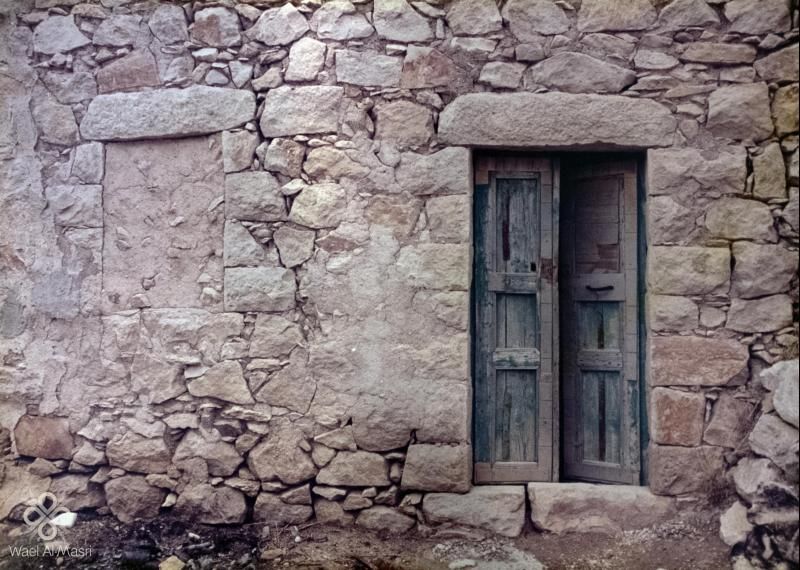
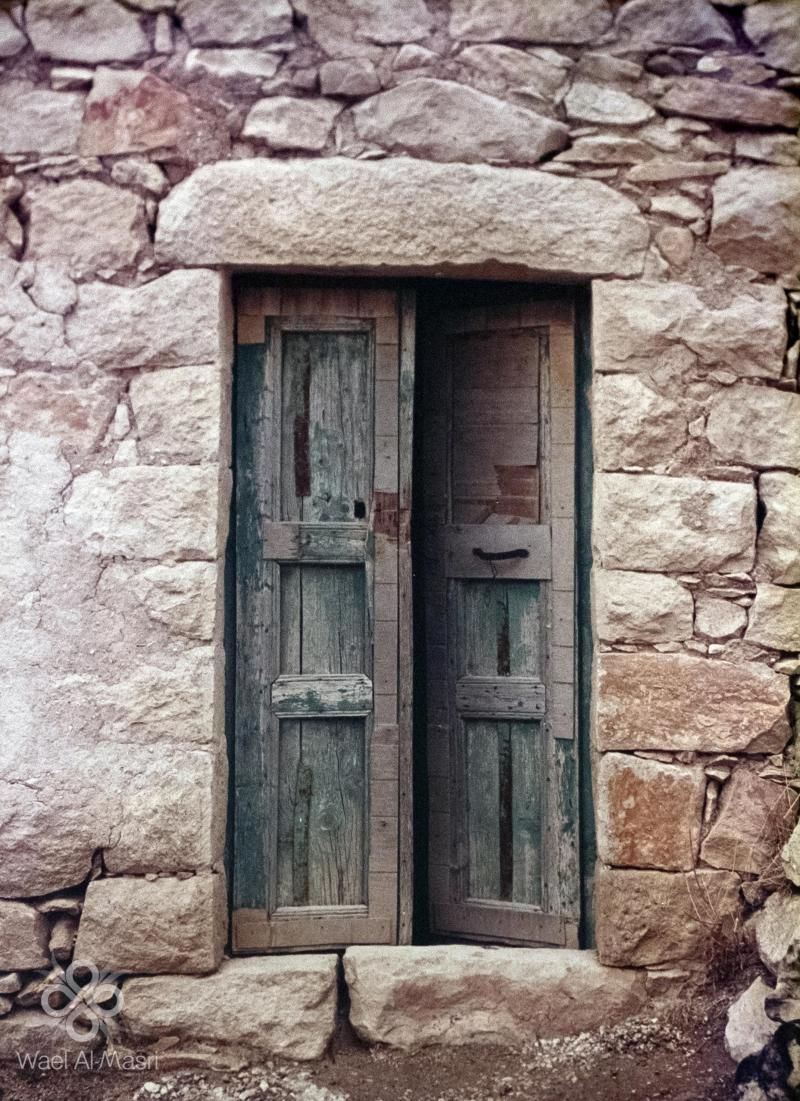
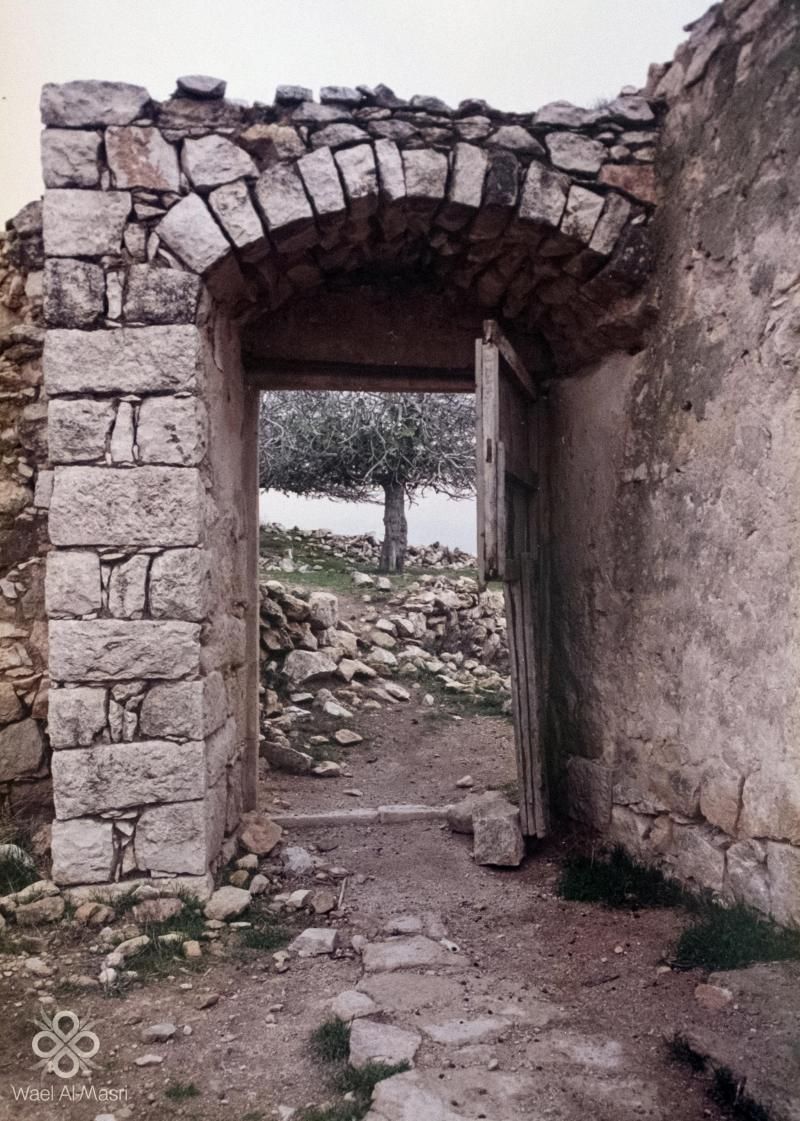
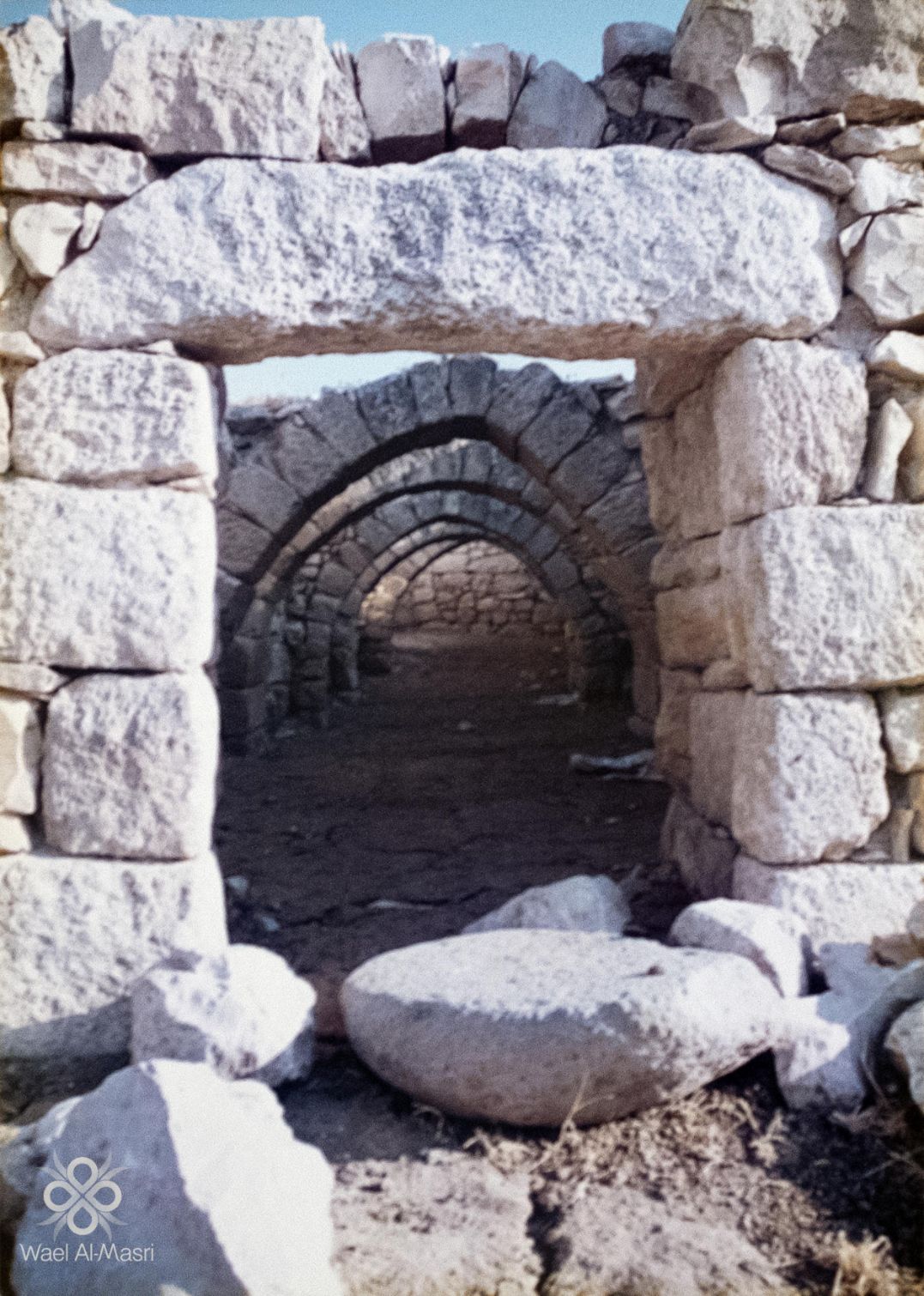
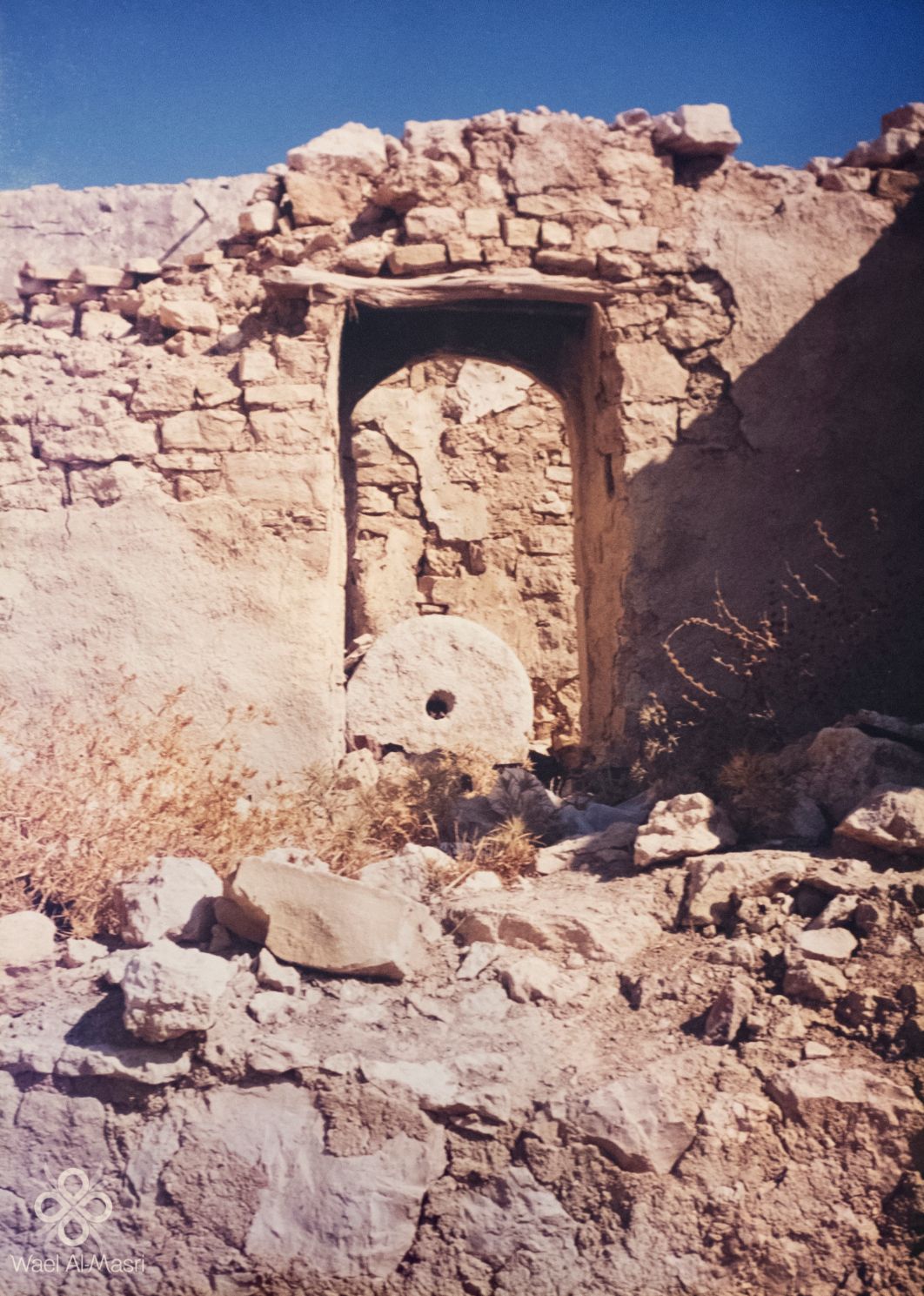
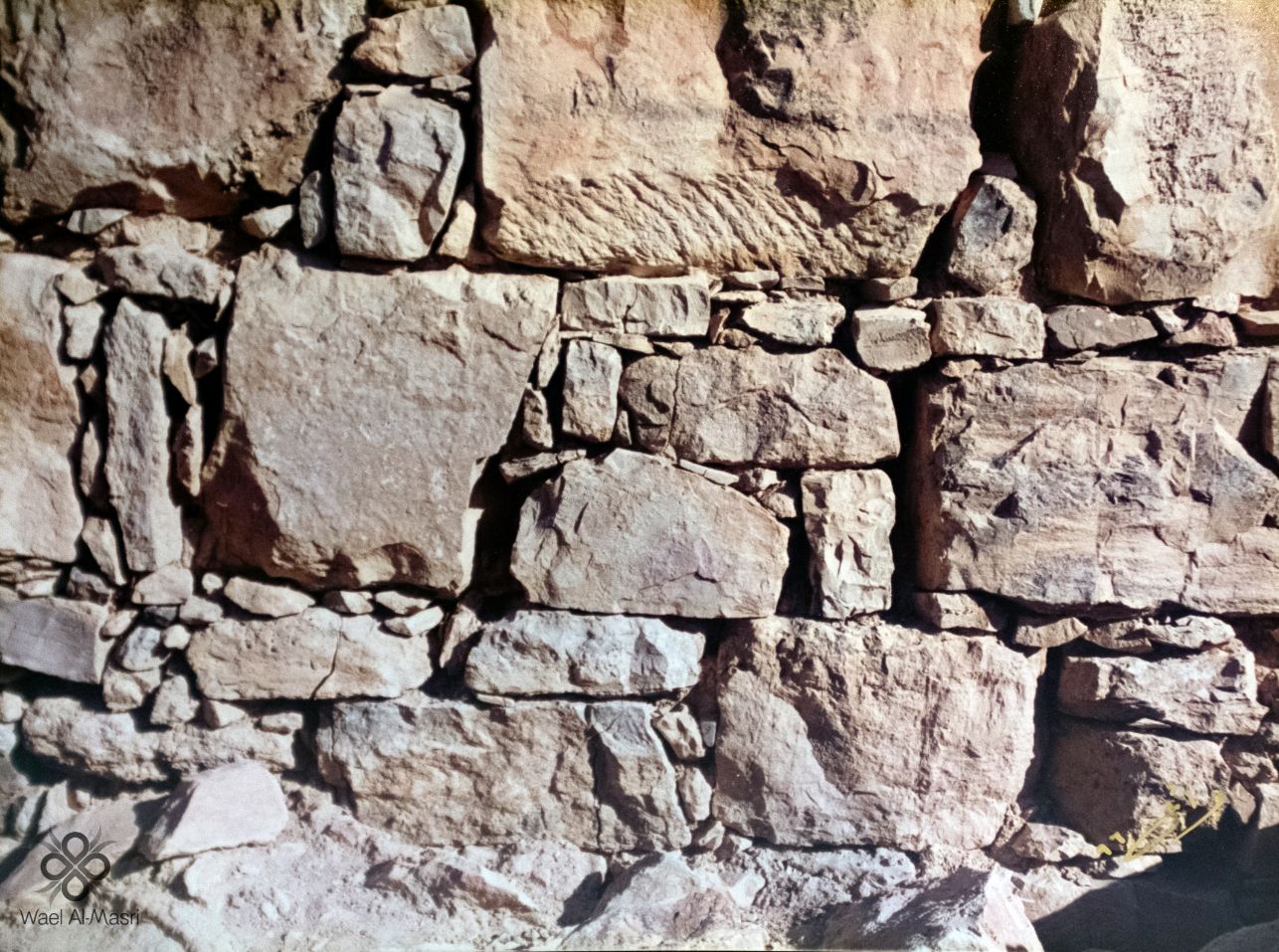
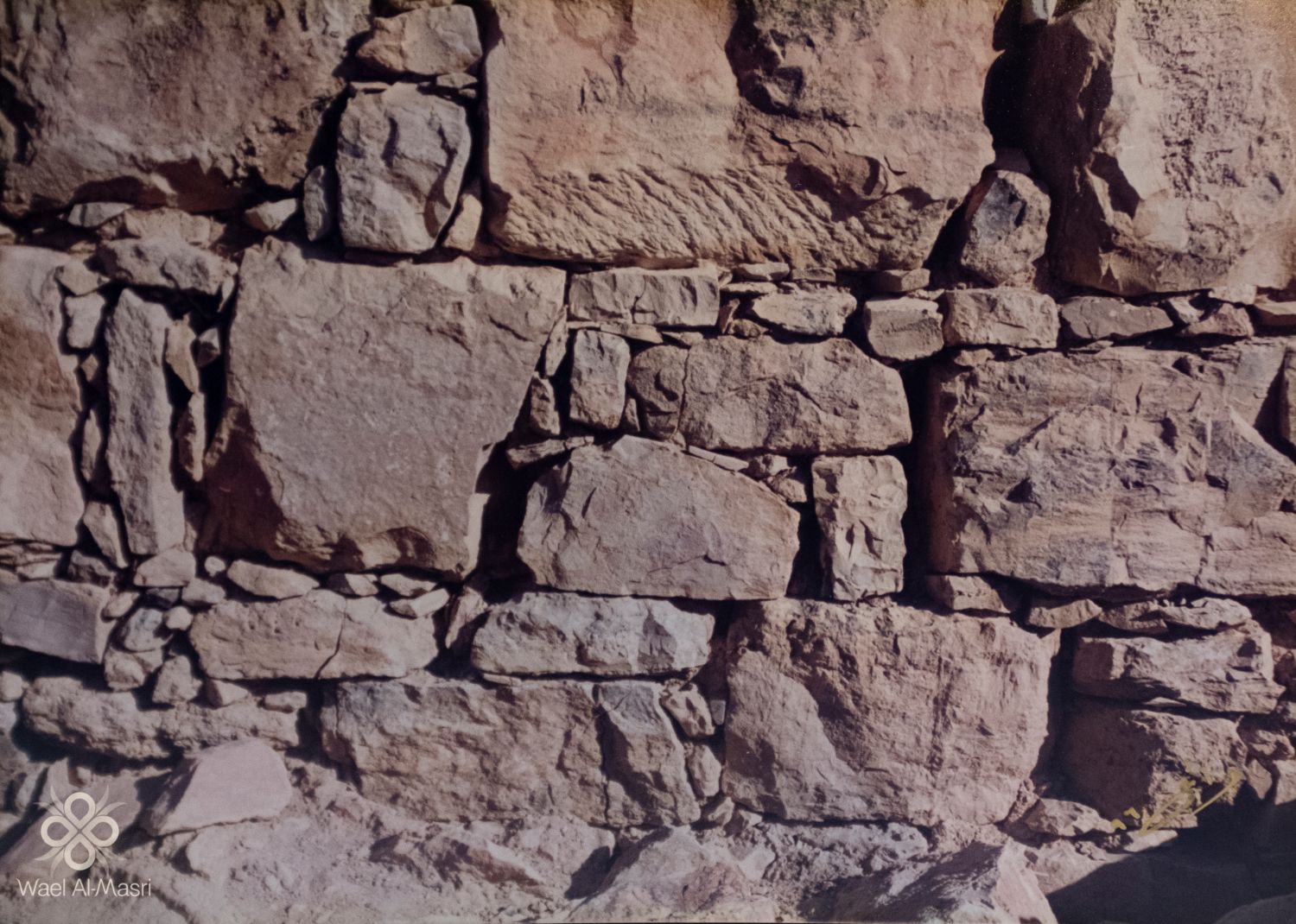
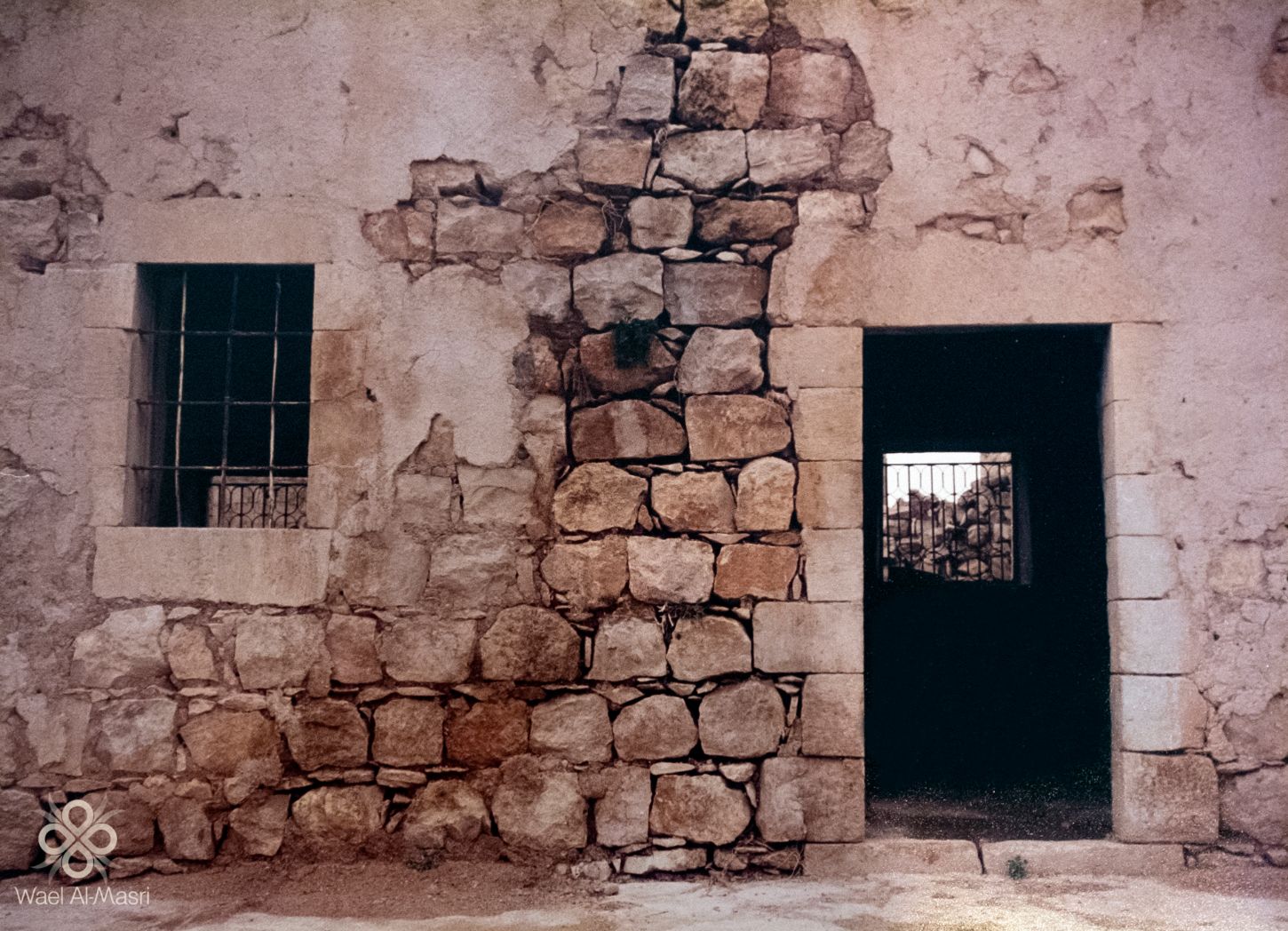
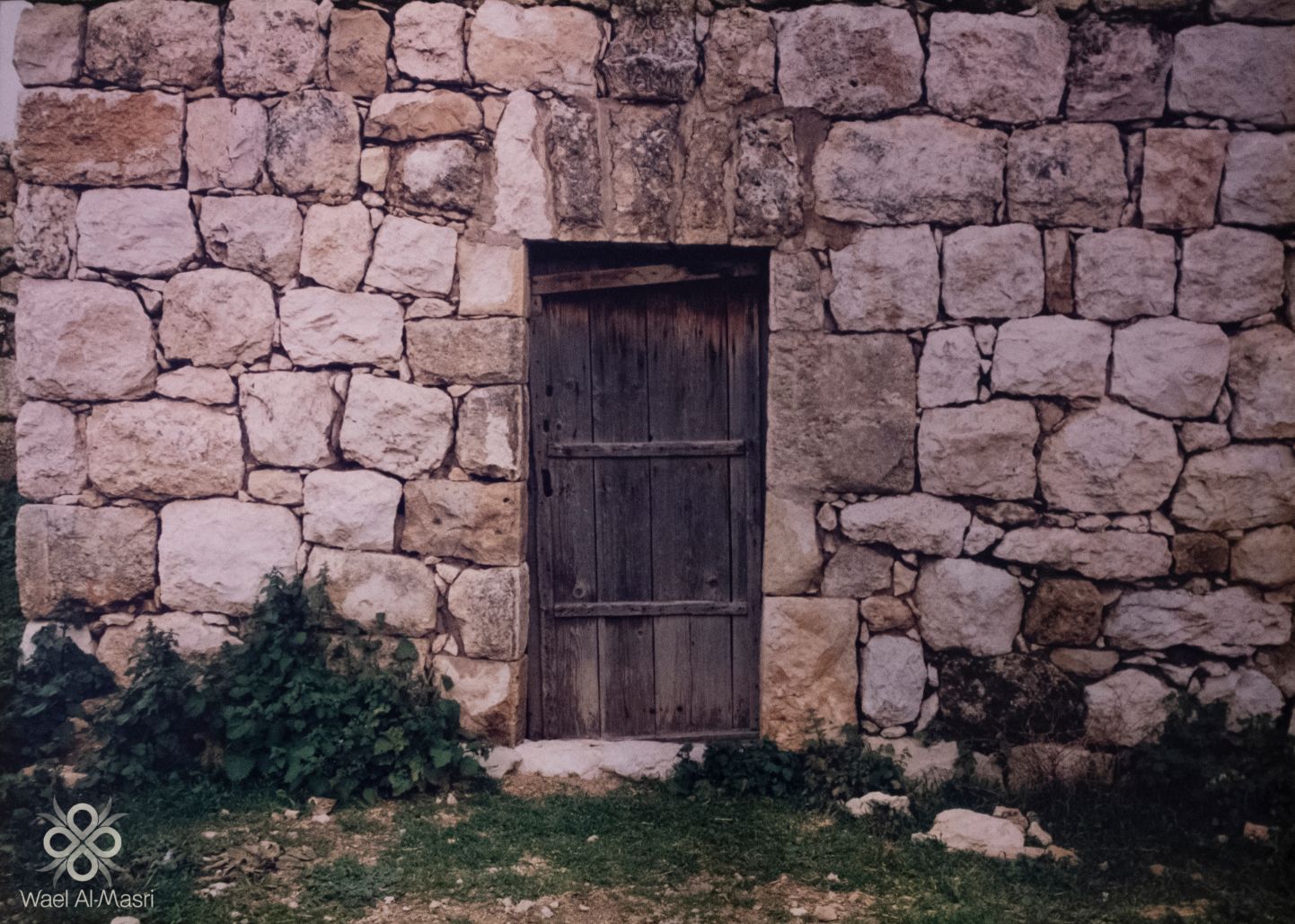
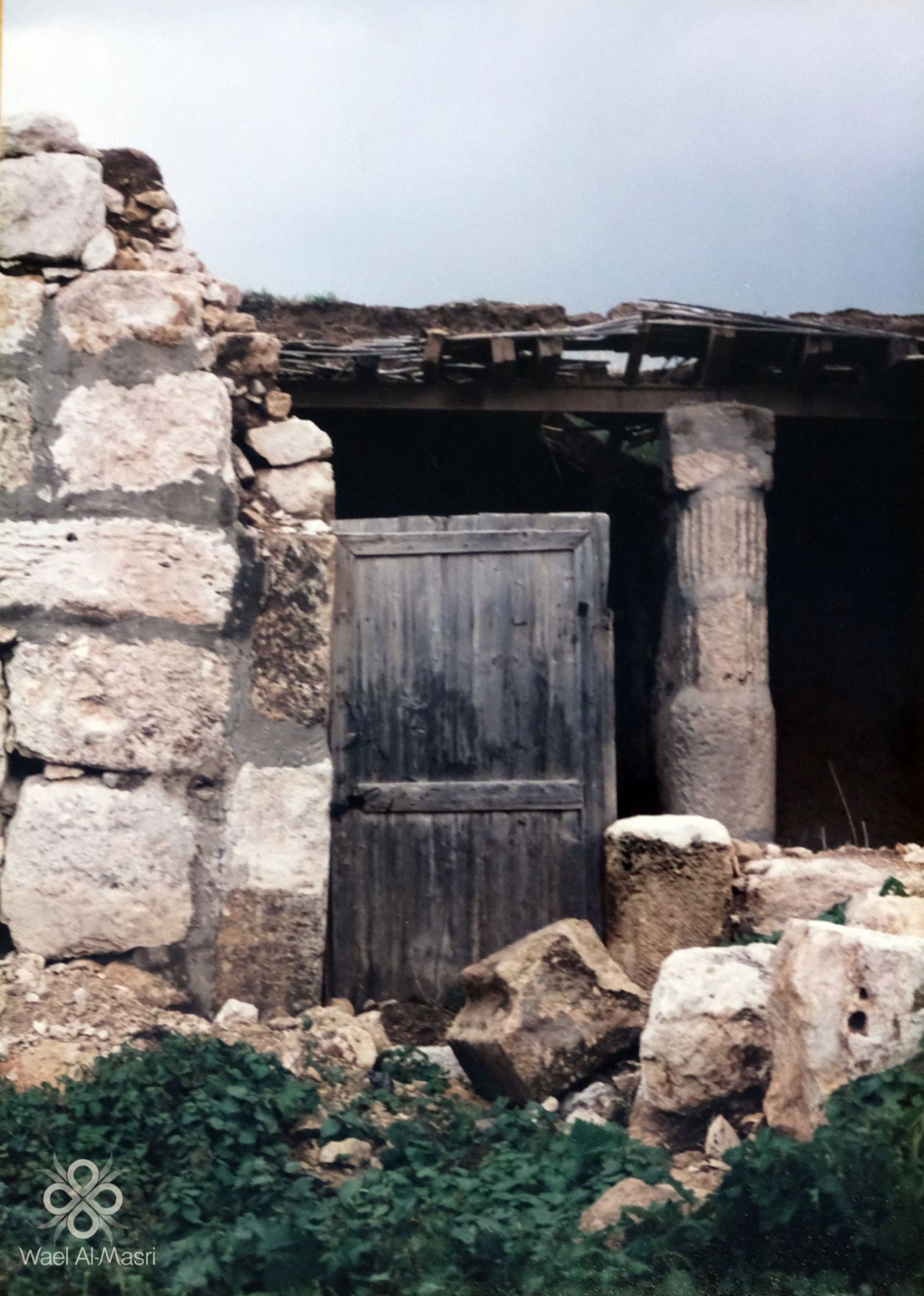
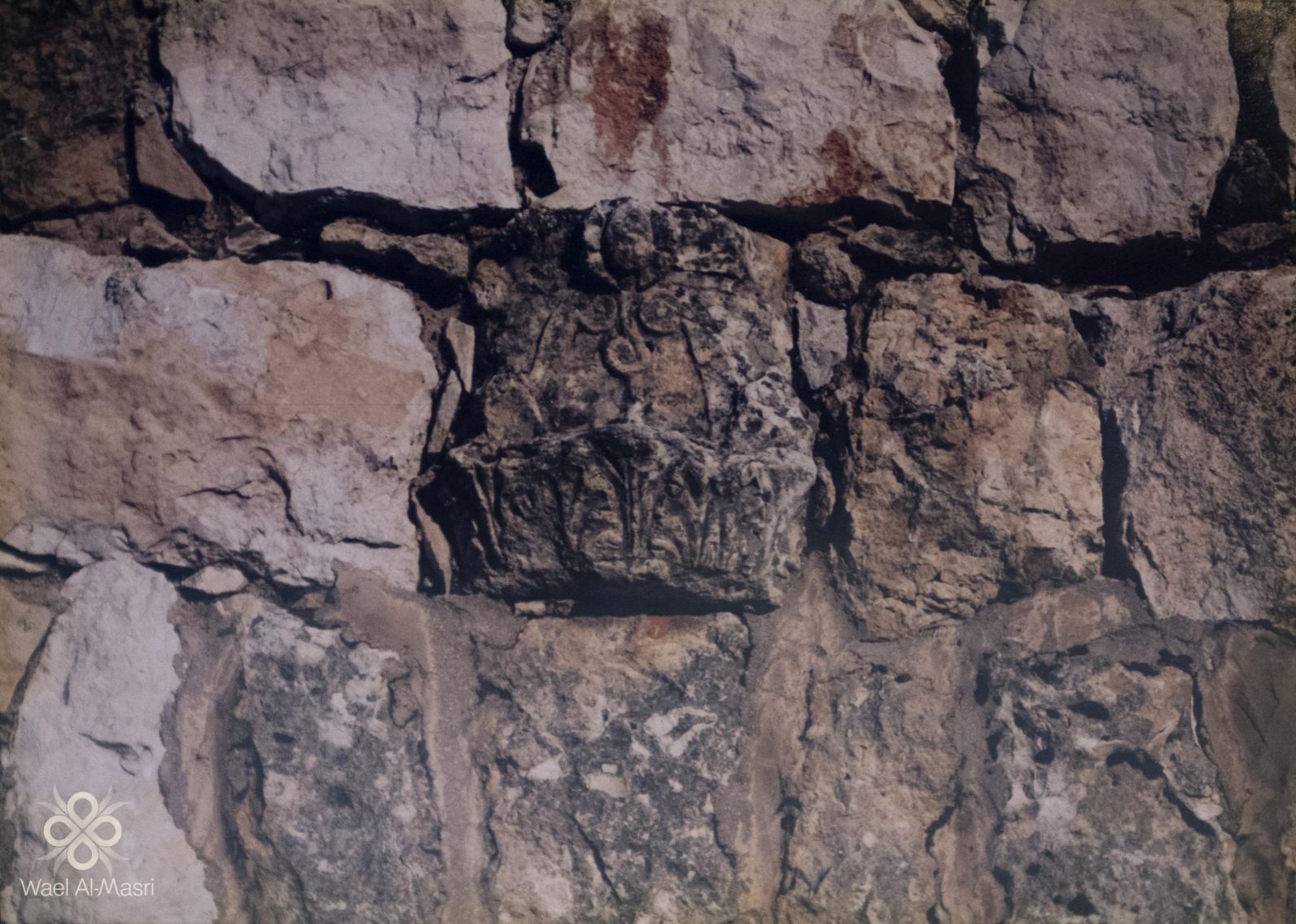
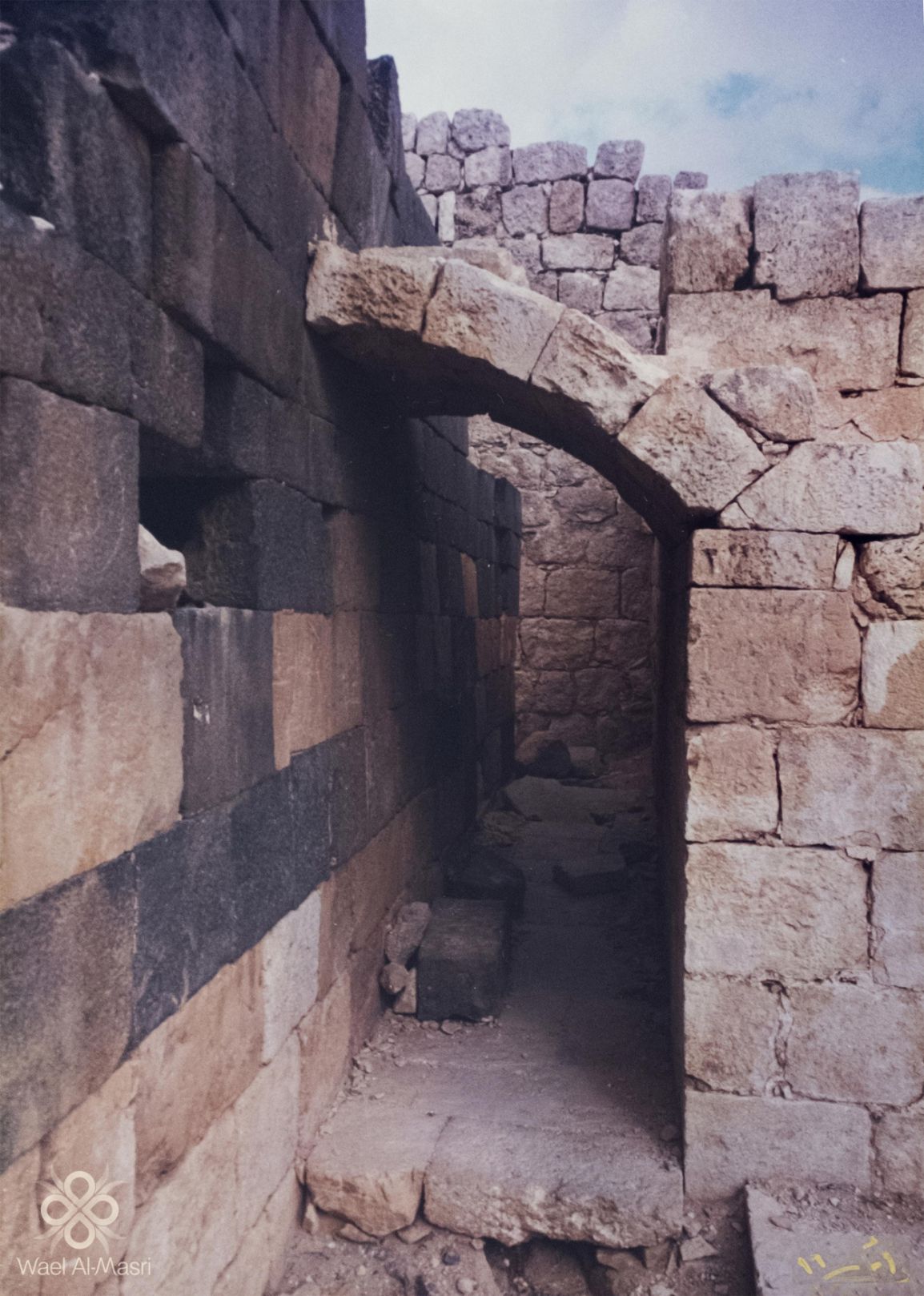
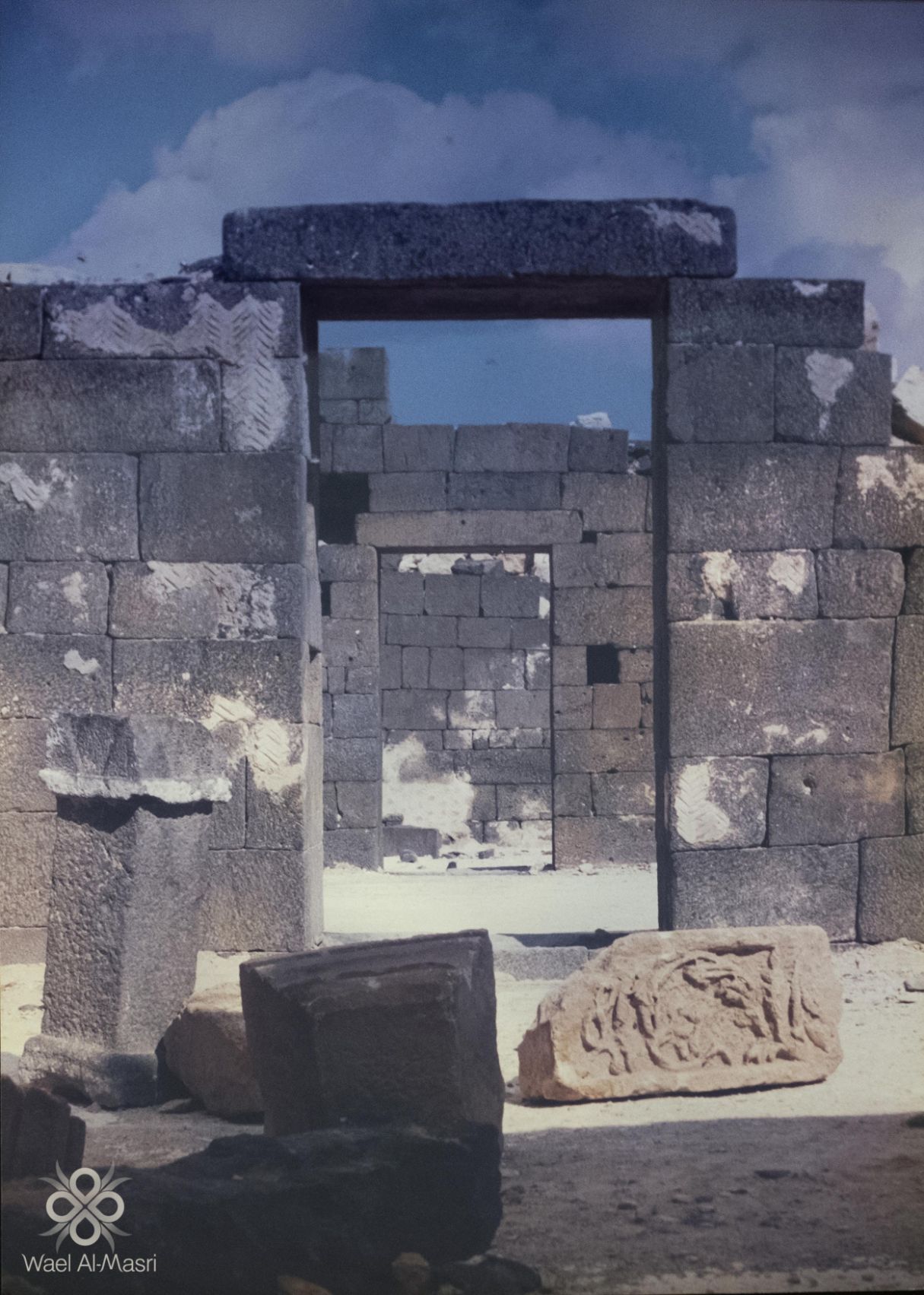
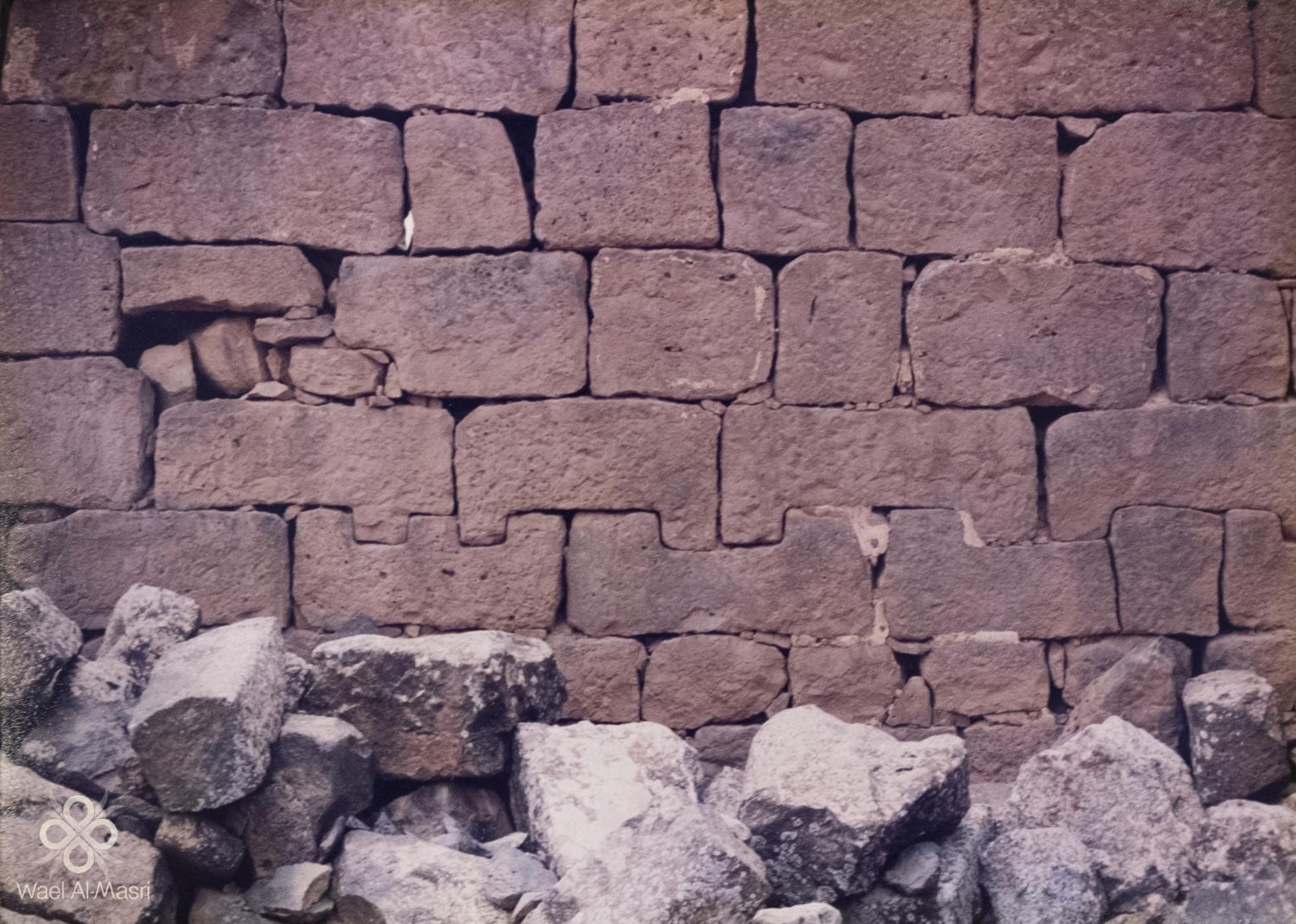
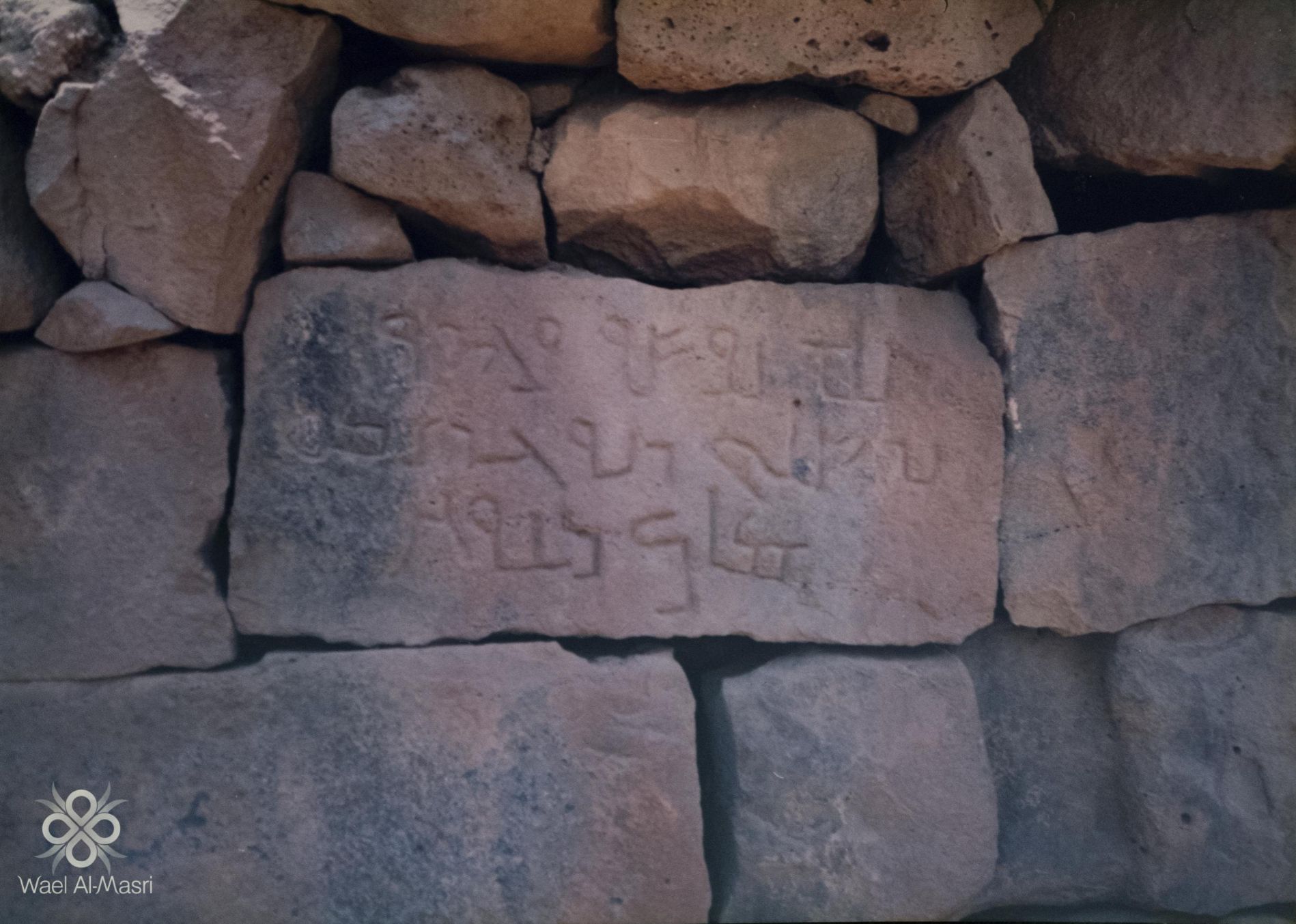
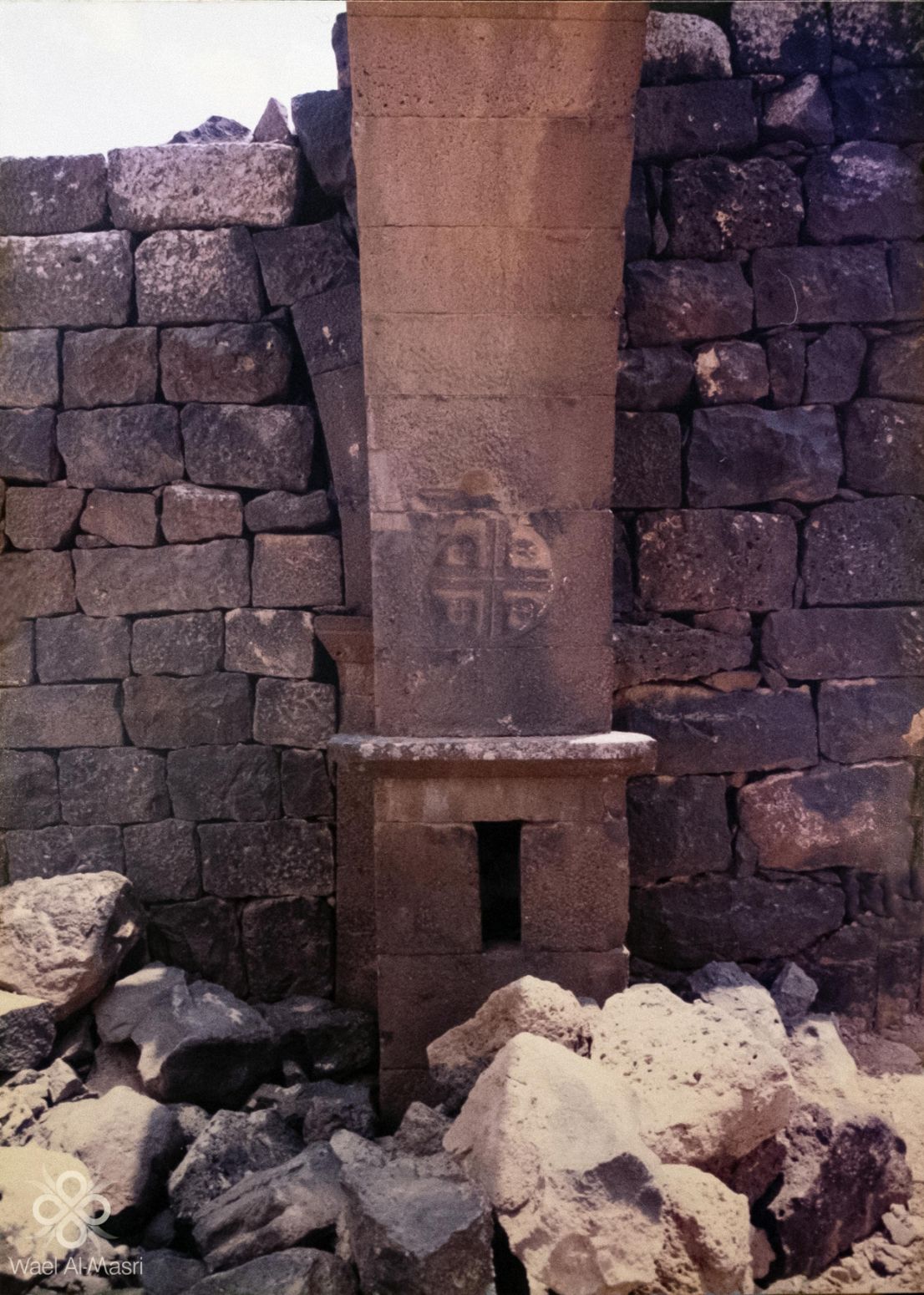
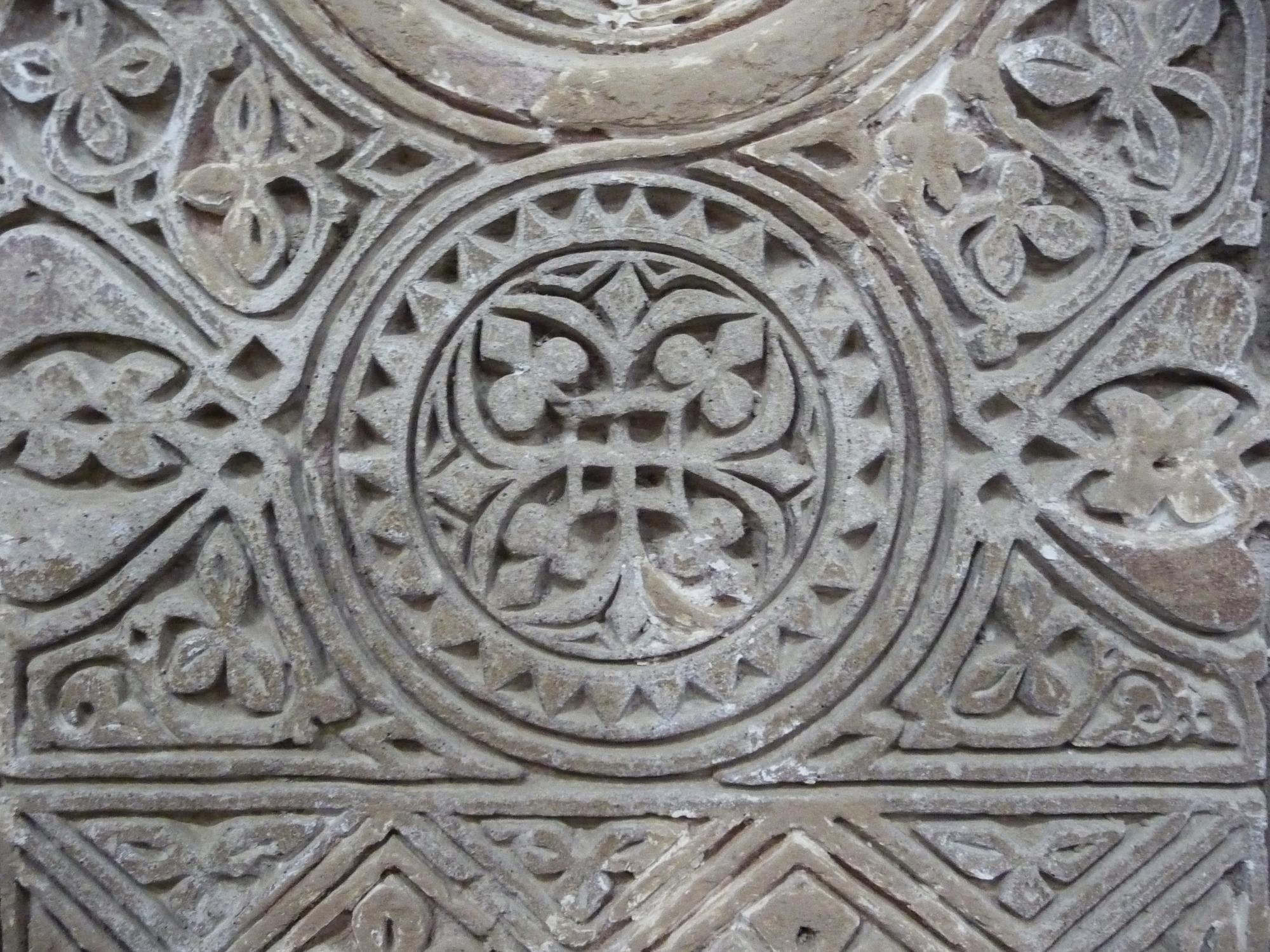
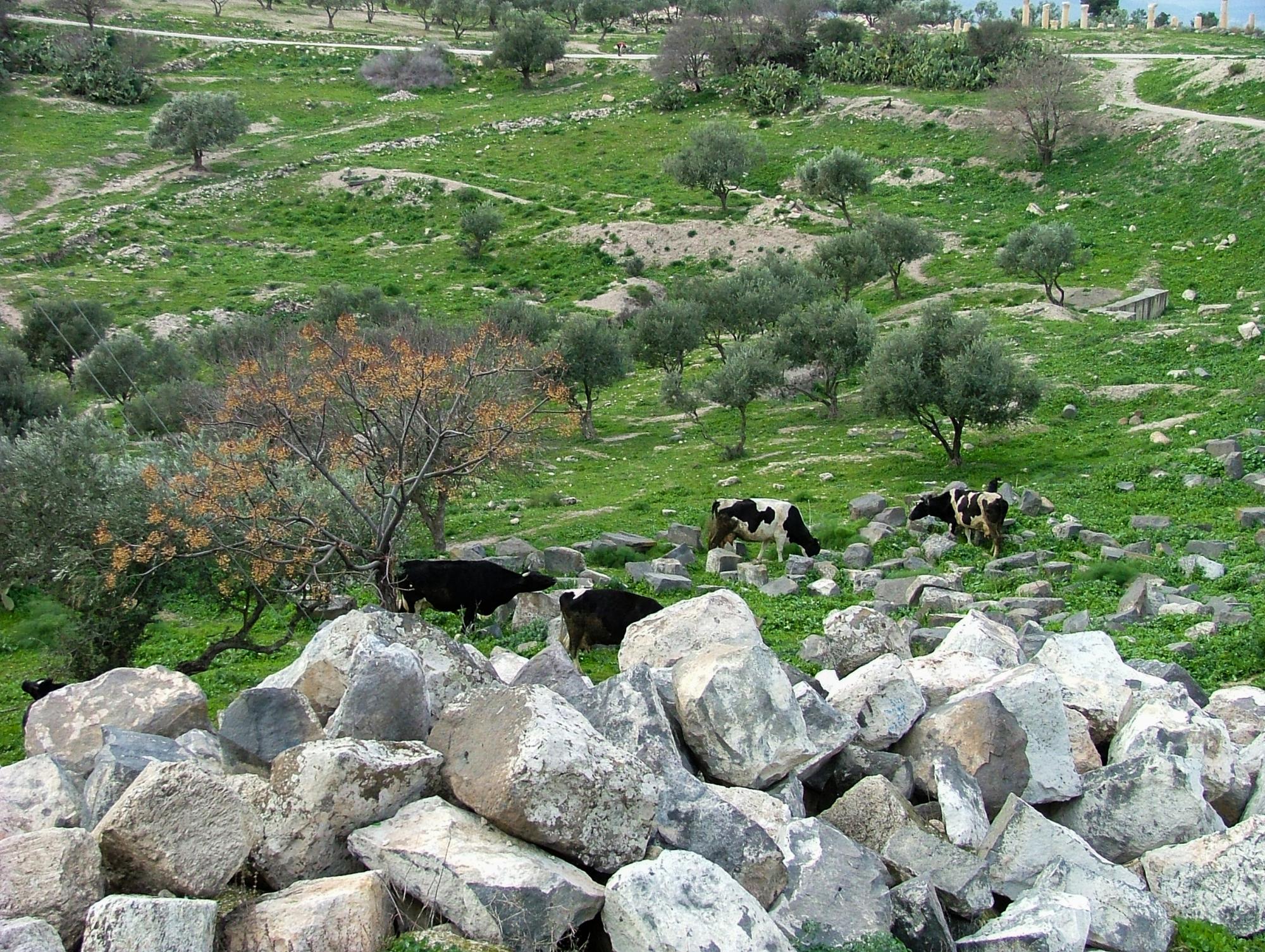
Yet there is an ephemerality behind the apparent timelessness of these images. They attempt to capture a stable and idealized impression of something that may in fact be more fragile than it looks at first glance. There is crumbling of stones, peeling of fragile stucco, falling timber roofs, broken doors and blocked windows; all indicators of slow decay. Some of the images focus on ‘historical recycling’ of stone elements as witness to the changing nature of architecture.
It is this sense of change that makes these buildings more precious to ‘outsiders,’ knowing that an intervention to ‘save’ them will inevitably turn them into museum pieces for the display of history. While ‘saving’ is required to preserve certain buildings as samples of our heritage, it nevertheless may not be practical or even desired in most cases; the owners have already deserted their past in favor of modem life. Such architecture sometimes needs to be left alone, isolated and fragmented, to face its natural destiny as a living being. Hence my images are intended to document a moment in history that is ephemeral, despite the apparent rootedness of the architecture. The sight of those old stone buildings may evoke a much desired sense of belonging, but they also give an impression of loneliness in an increasingly alienating physical environment.